
2025 has developed into a busy year of reaching out and joining in diverse ocean conversations taking place in forums, conferences, and creative liquid kinship groups, both in person in the UK and online internationally.
All became inspiring habitats to enter, share and absorb the knowledge exchange, fostering future collaborations and partnerships around our shared passion and concern for our marine health.

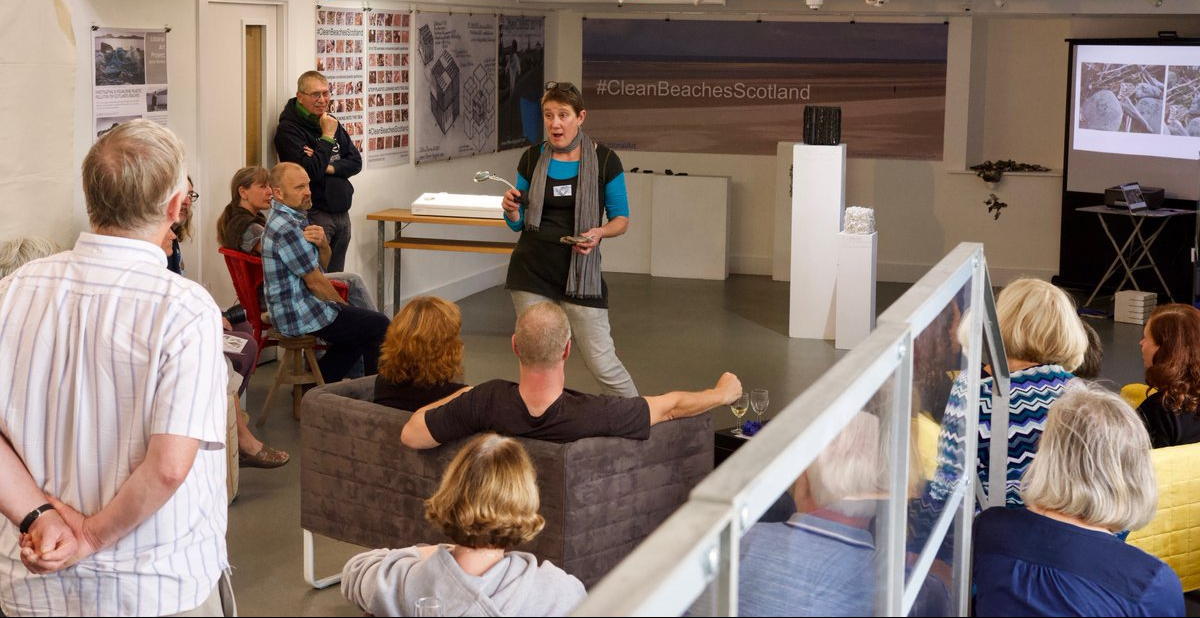
I was delighted and proud to be asked to present the R&D findings and development plans of my MAERL visual storytelling project, both at Porcupine Marine Natural History Society (PMNHS) Annual Conference at St Andrews University, themed ‘Understanding Our Marine Environment’, and at the University of Exeter’s (Maerl Forum) ‘Why Maerl?’
At both events marine scientists, conservationists, phycologists, community groups, citizen scientists, filmmakers and artists gave in-depth presentations on their specialist areas, sparking questions and lively conversations all touching on our concern for Ocean Health.
To my joy, the first presentation at the PMNHS’s conference, was a brilliantly detailed study of St Andrews and the Firth of Forth seaweeds, by Martin Wilkinson. His research documented and revealed the rate and pattern of seaweed species colonisation of shorelines polluted by the coal mining industry decades ago.


The two-day conference was packed with fascinating wide-ranging talks, sharing studies in, and unlocking hidden data, covering the decline of mussels, grey seal predation of marine mammals, bi-valve invasions, new underwater observation and recording technologies, and discussion sessions on the future of citizen science.

And Lucy May, project manager of COAST, the community organisation working for the protection and restoration of the marine environment around Arran and the Clyde, highlighted the vital importance of Maerl in their coastal waters over the last 30 years.
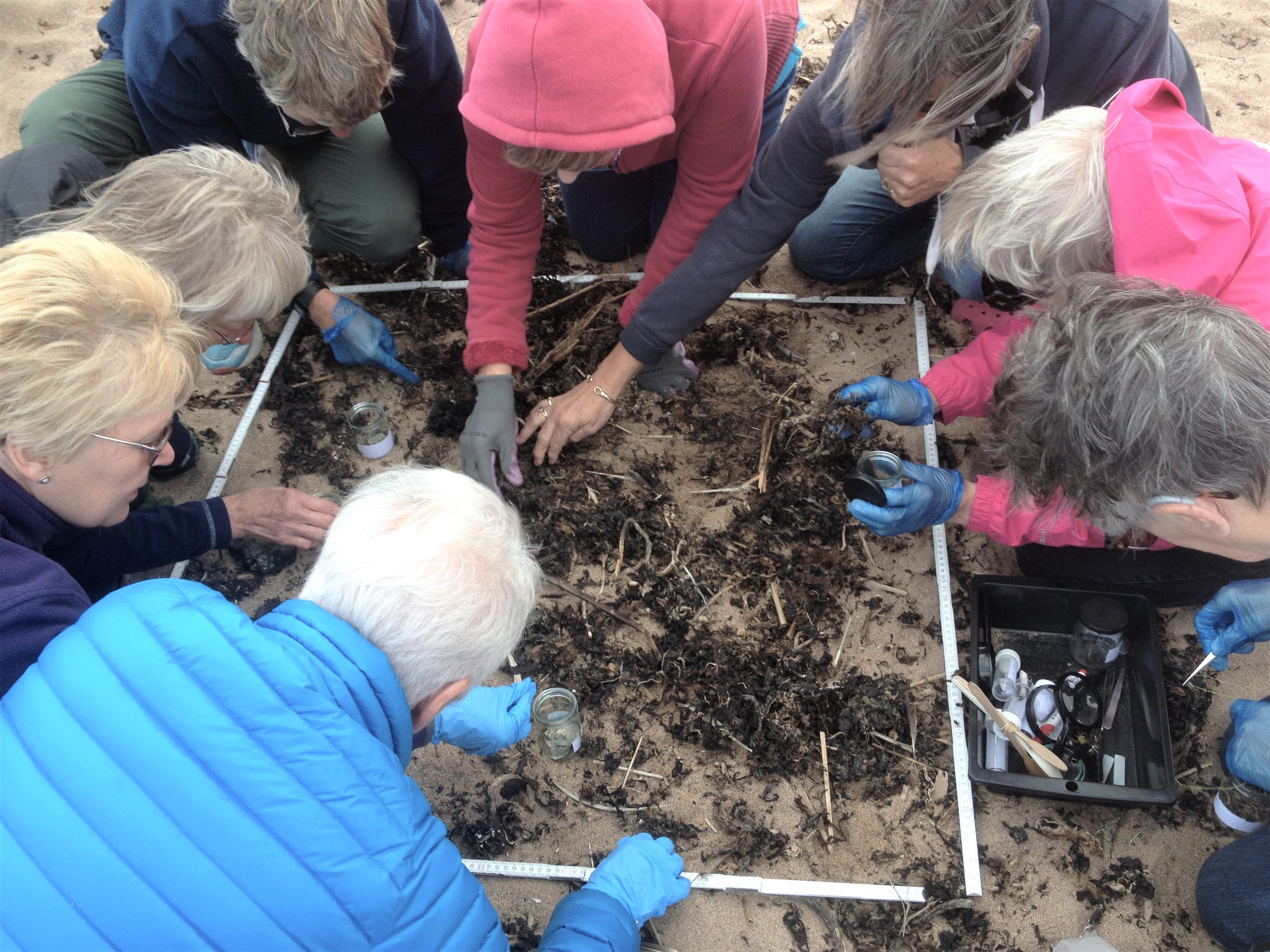
The conference aptly concluded with field trips down on the St Andrews shoreline examining the inter-tidal marine life.


Professor of Marine Science University of Plymouth

The first ever Maerl Forum was attended by over 100 people passionate about Maerl.
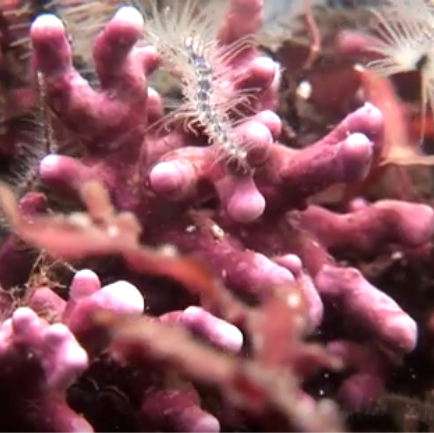
Jason Hall-Spencer, Professor of Marine Biology Plymouth, gave the opening overview asking ‘Why Maerl?’ referencing his 30 years of research into Maerl and Maerl bed-habitats, which started here in Scottish coastal waters. He explained Maerls’ ecological importance on a global scale, how it provides a wealth of ecosystem functions. Yet in comparison to other coastal habitats, such as kelp and seagrass, it is still understudied and is in need of protection, particularly from bottom contact fishing gear (such as scallop dredging) and pollution from sewage, aquaculture and nutrient run off from farms.
The following 12 presentations and films highlighted not only the damage being done to Maerl around the UK and Europe, but also the beauty and importance of Maerl habitats for other species, a storer of carbon and as a component of a broader ecosystem that supports coastal livelihoods.


The Maerl Forum’s extensive collective expertise has now, layer by layer ‘like a maerl bed’, been collated and published online as the Maerl Forum Output Report, together with the impressive Cornwall Maerl Conservation Action Plan.
Central to both the Forum and the Conference was a question that underlies my MAERL project aims: How do we break out of our bubble of knowledge?

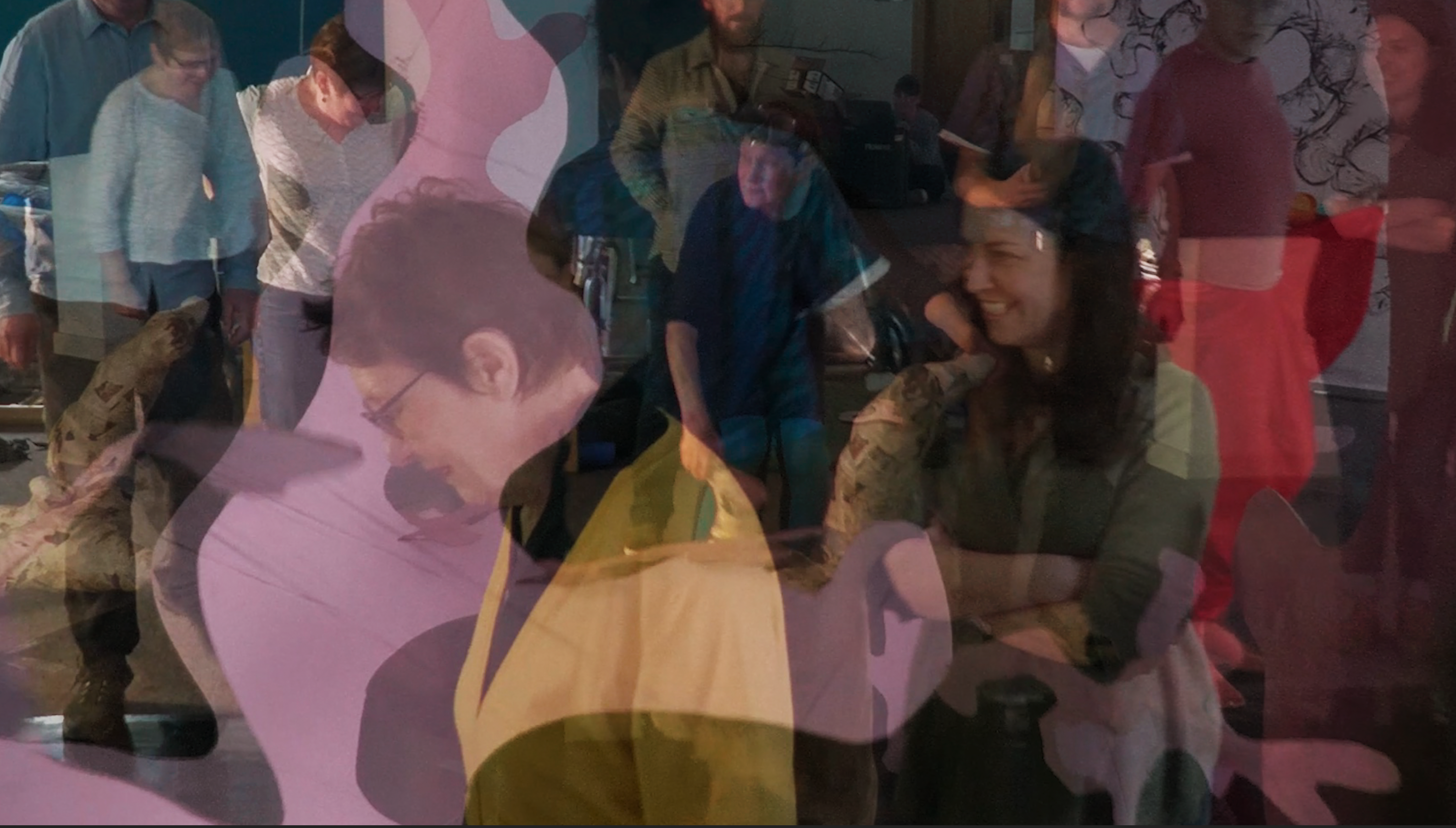
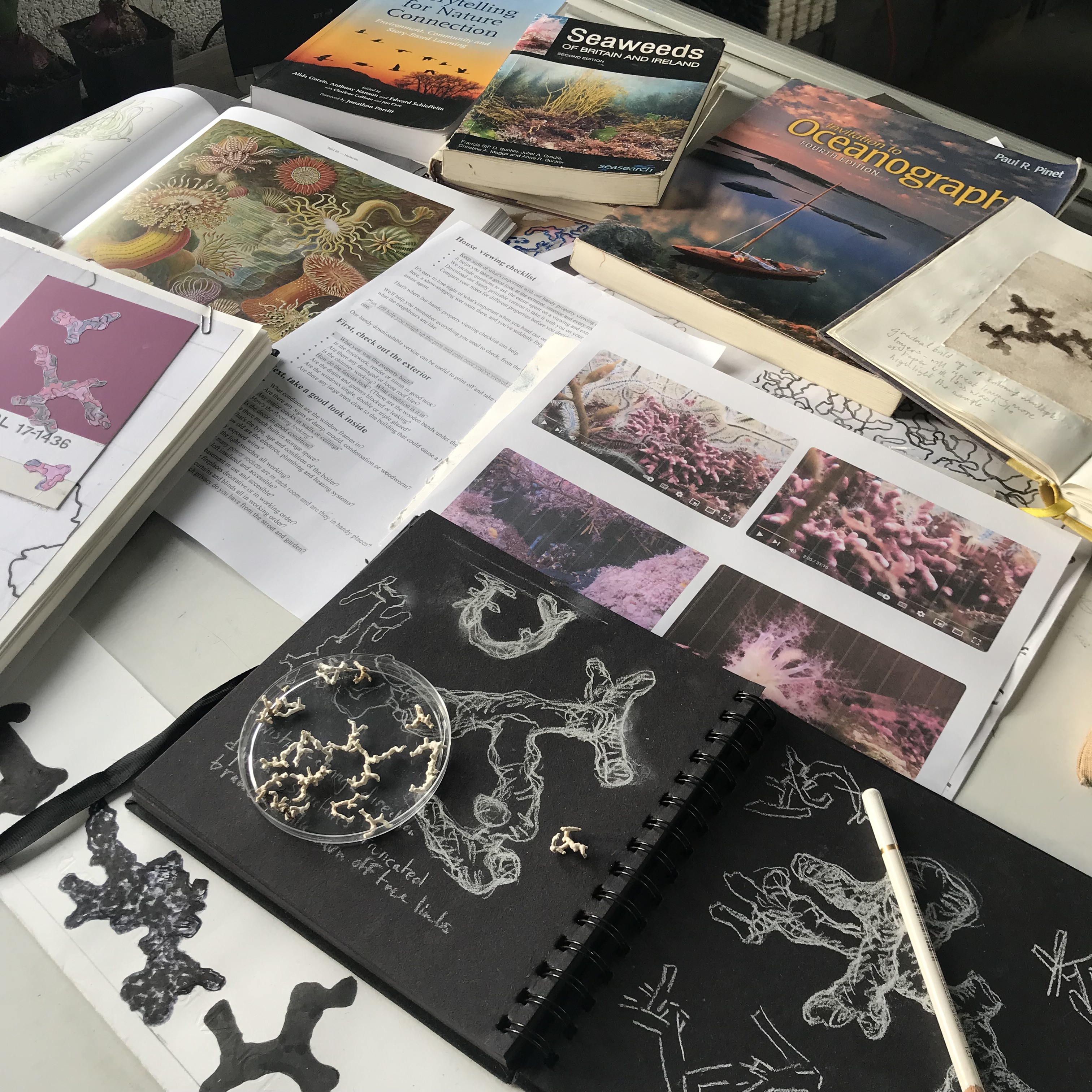
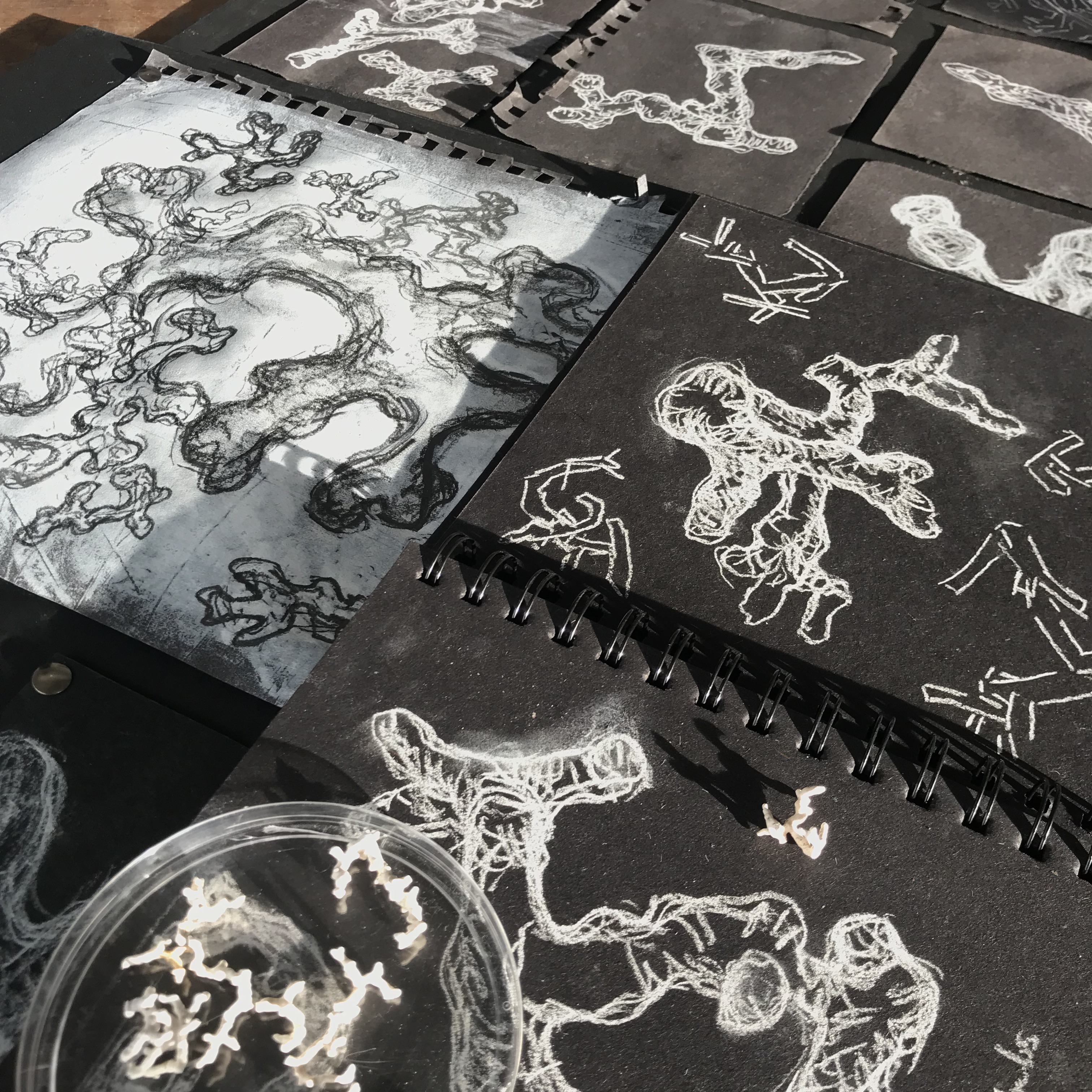
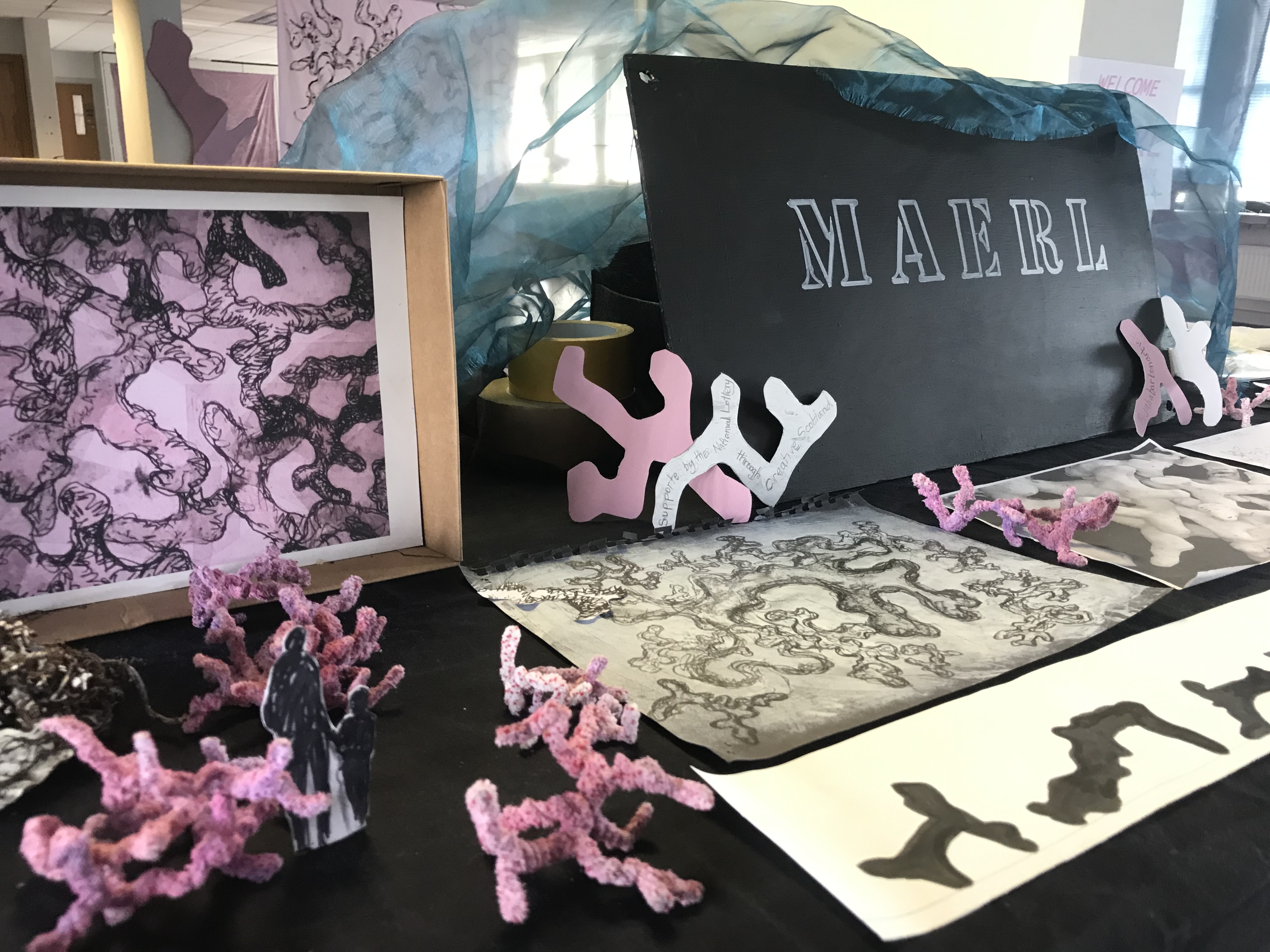
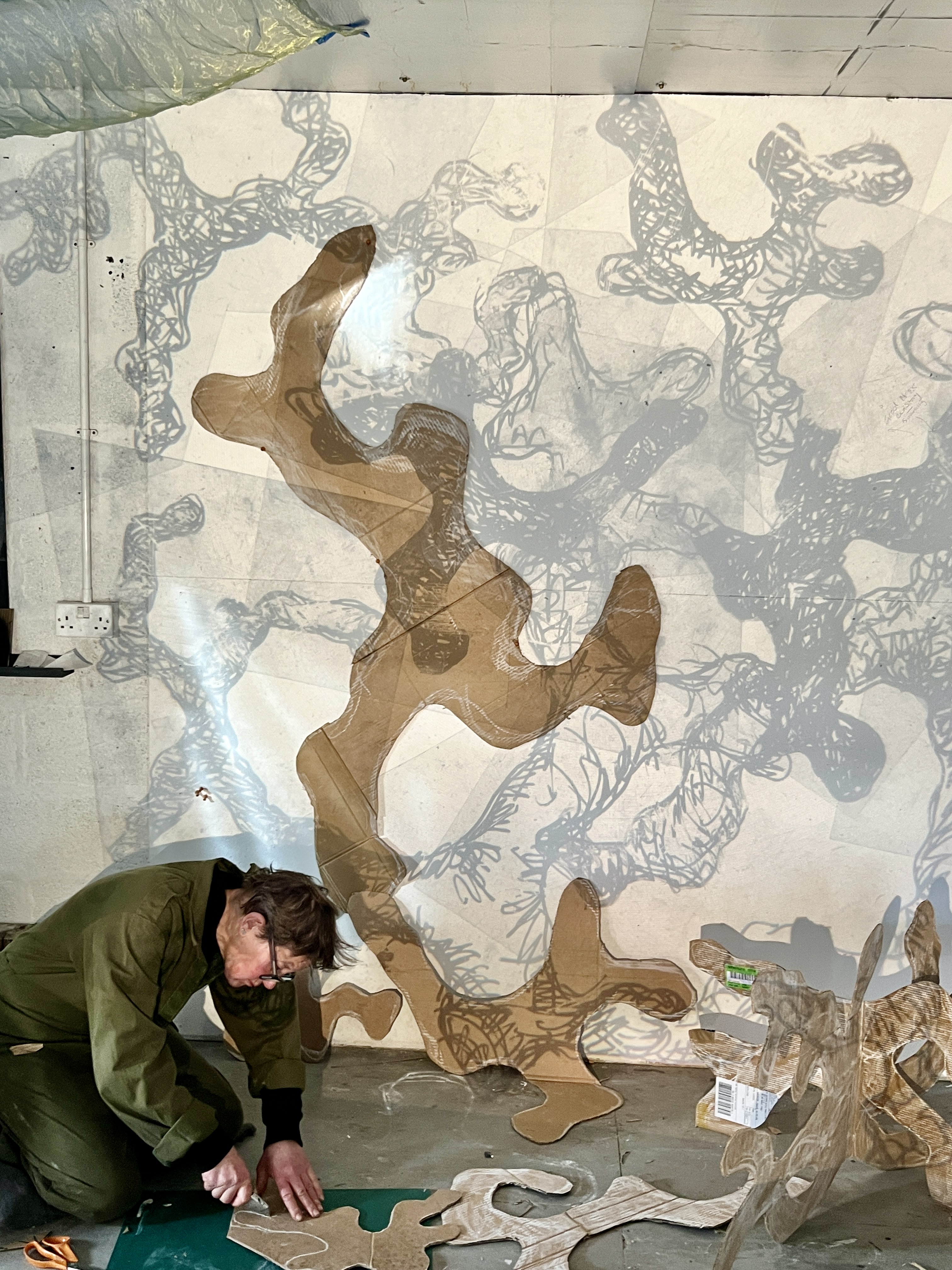
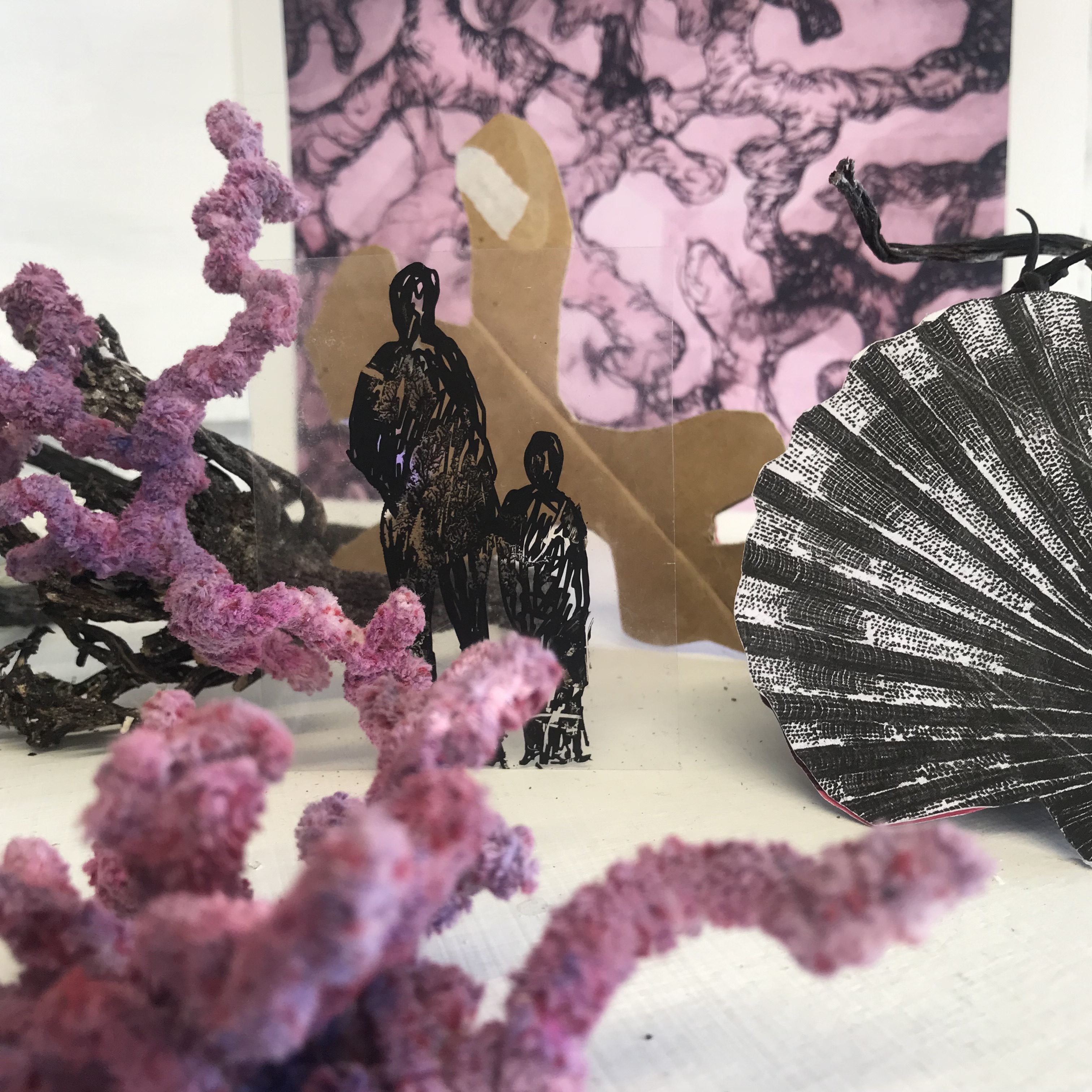
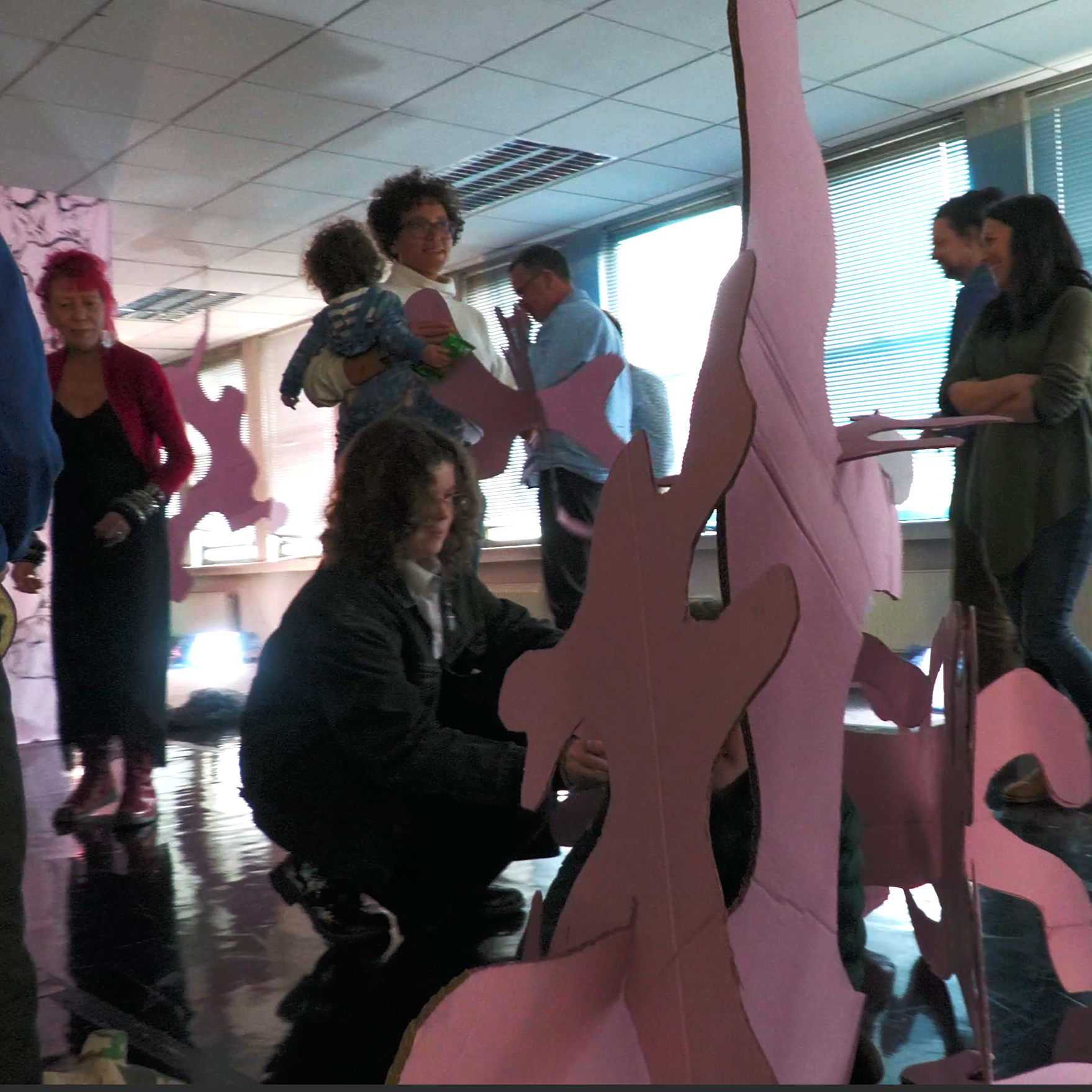
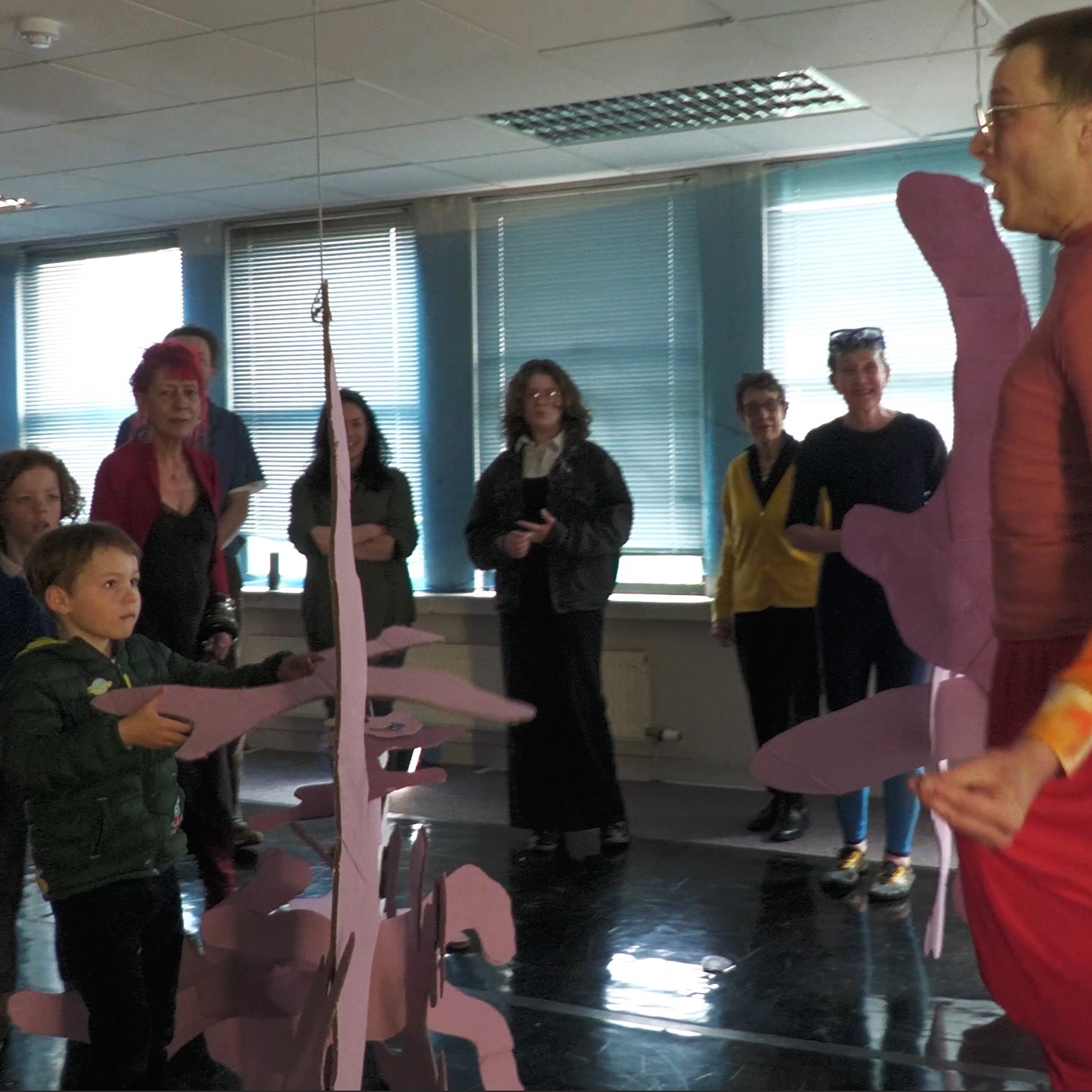
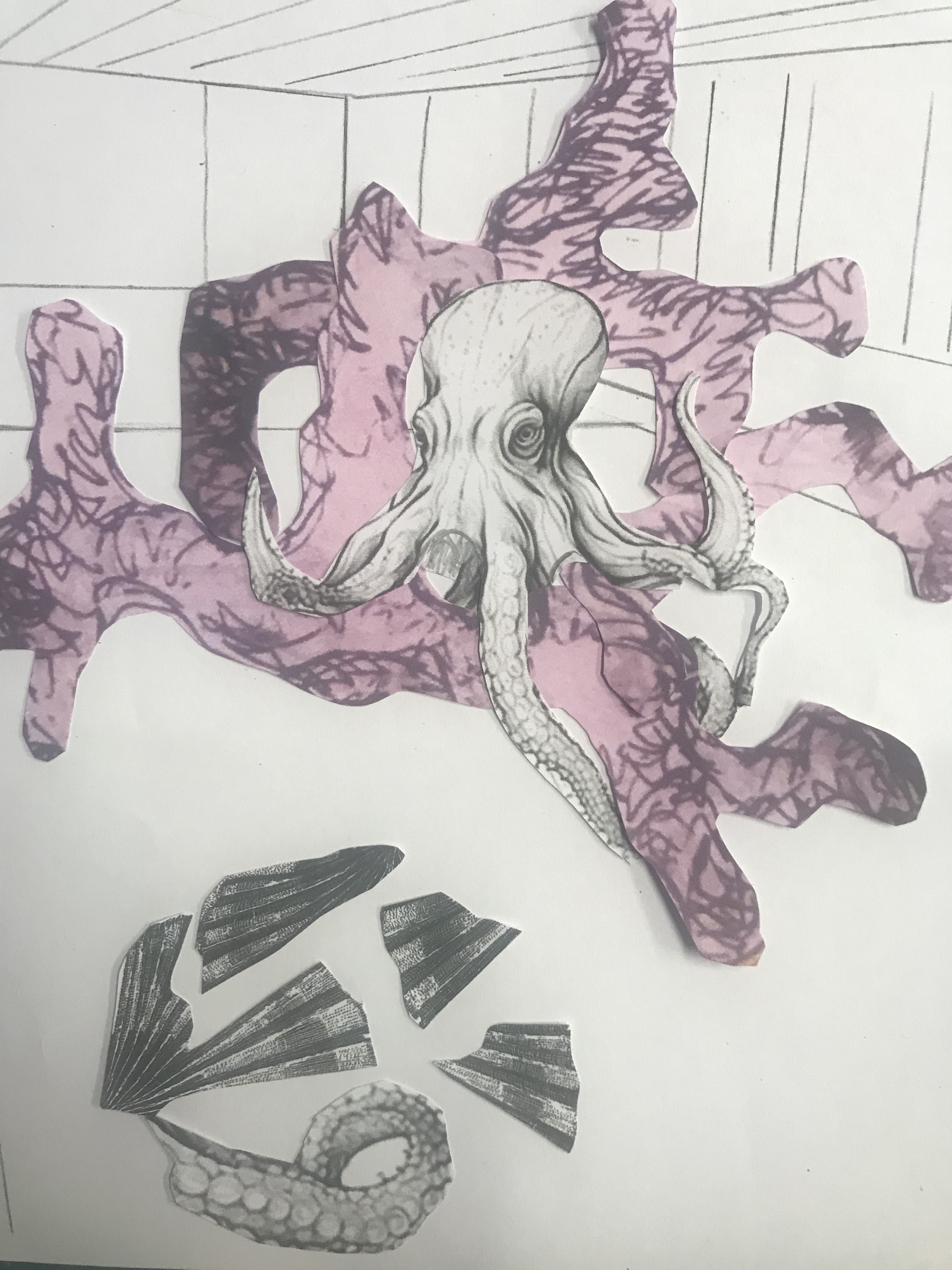
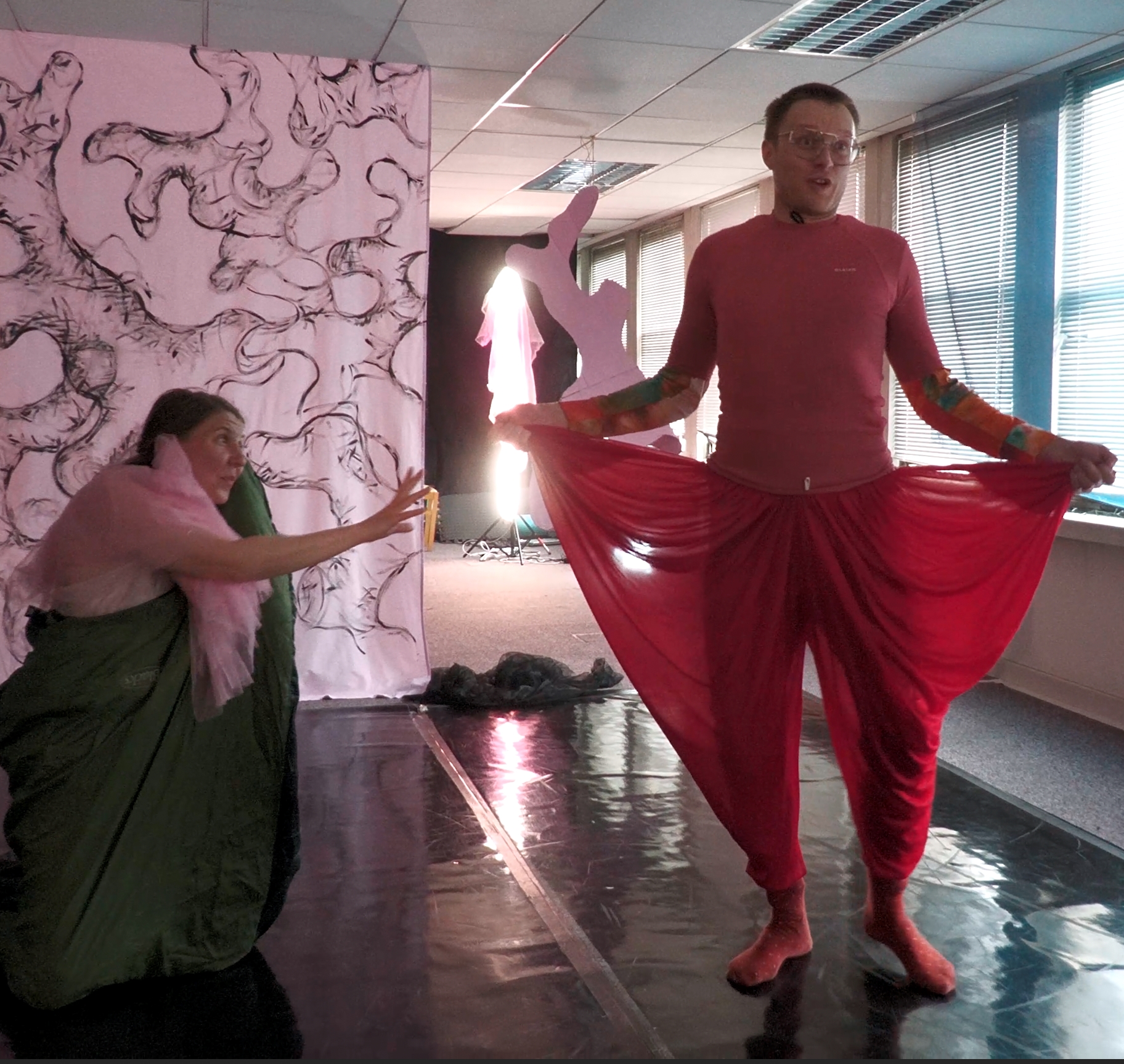
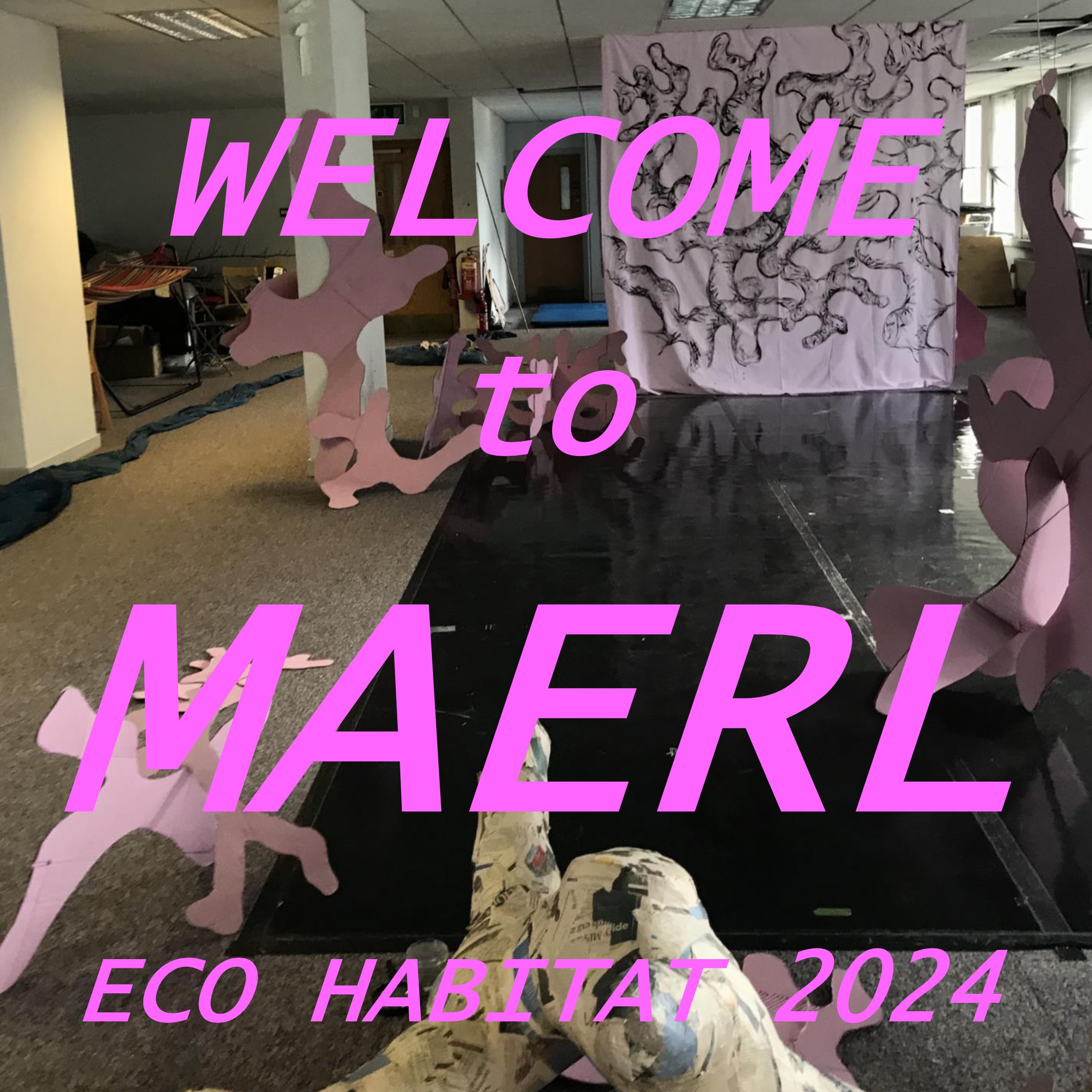
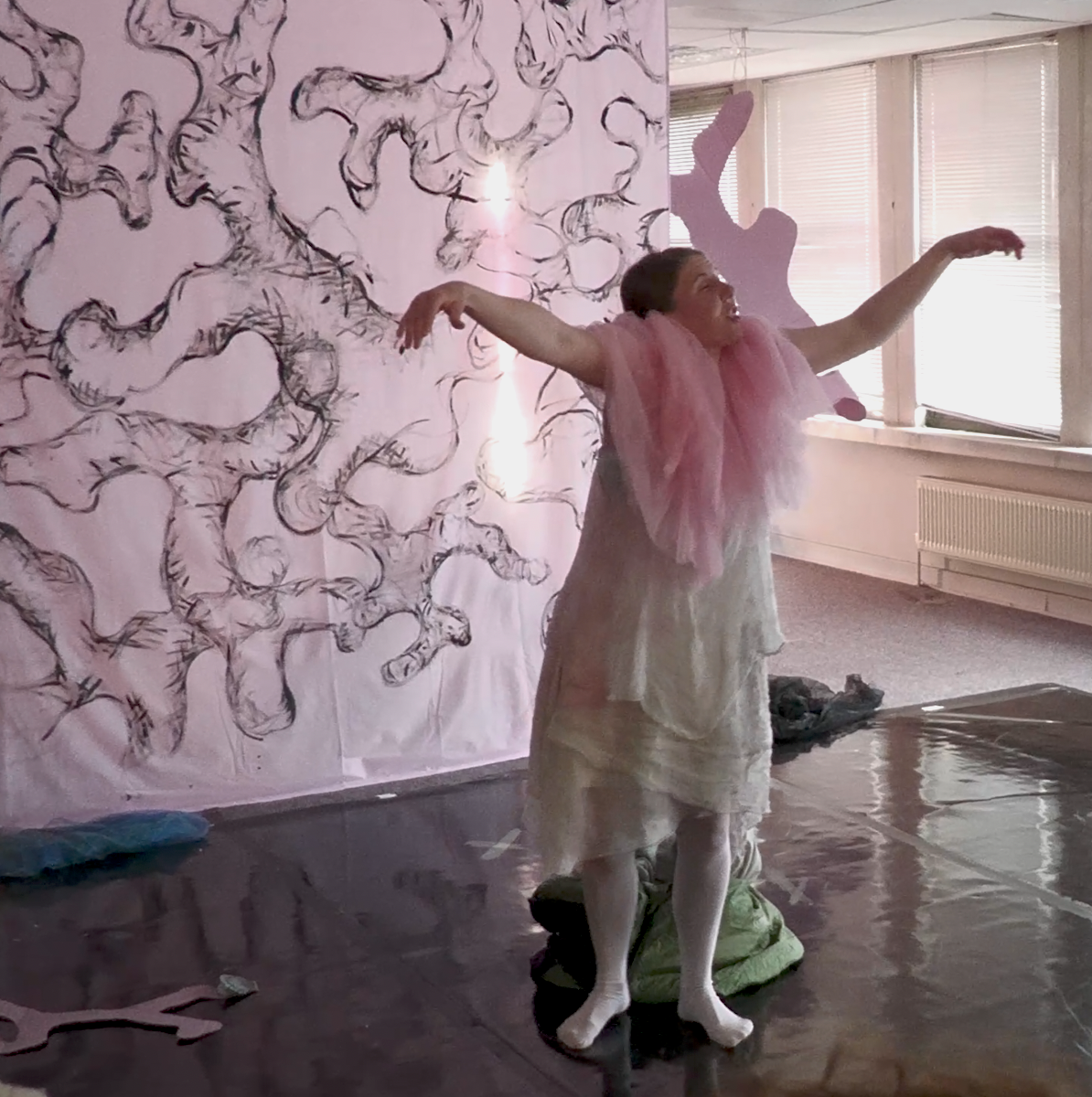
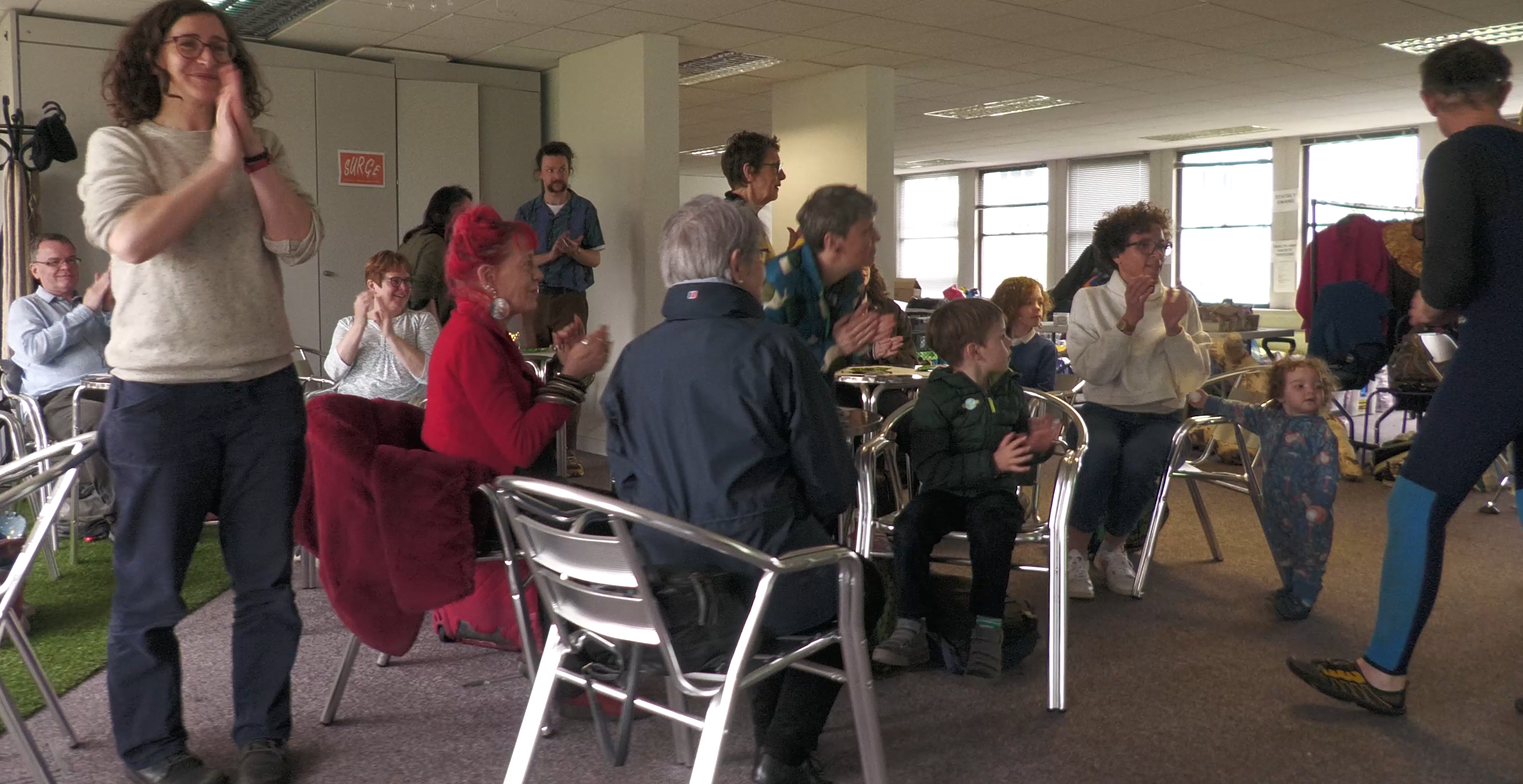
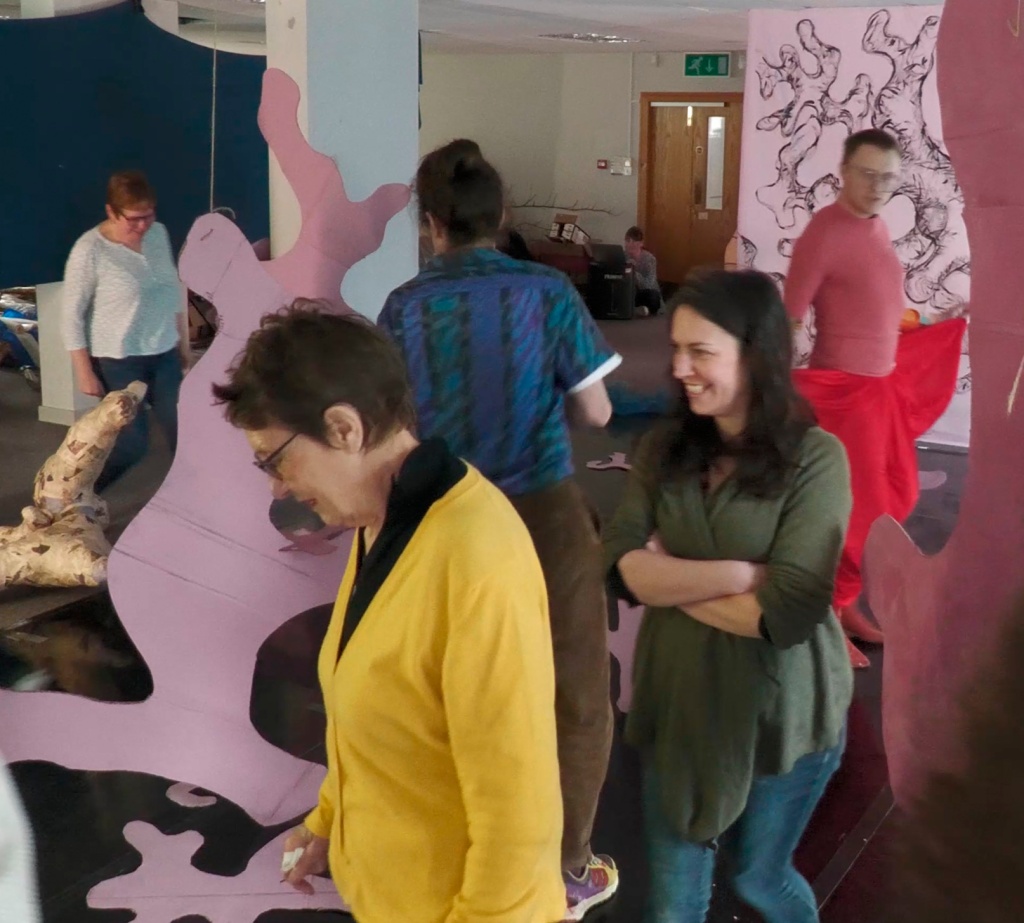
My contribution to the Forum and Conference was to share the Research and the Development of my visual story telling project ‘Welcome to MAERL’ (highlighted in my previous post ) and how the test audience became engaged in the life of maerl, the habitat it creates, asking questions and looking to know more.
Presentation papers are being published in the PMNHS bulletins and the Maerl Forum Report. The Maerl networking conversations continue, with ongoing MAERL Forum webinars; the first online meet-up in June was lead by Professor Juliet Brodie, international seaweed expert based at the Natural History Museum, presenting and discussing fascinating in depth surveys and studies from around the world, including identifying new Maerl species.

The Conference and Forum were wonderfully exciting and inspirational days, expanding our understanding of our marine environment and the importance of how to protect Maerl, our ‘Celtic Coral’.
I am happy to have shared my project with both marine communities and to be actively taking part in the construction of the growing Maerl community/habitat on land. Already plans have grown out of the forum meet ups with intentions for a Maerl Festival in 2027.

I celebrated World Ocean Day online in ‘Liquid Kinship’ with the ocean comm/uni/ty global event listening to fellow artists tell of their collaborations with scientists, dancers , musicians. This went on to explore and find intriguing and inspiring ways to ‘tell of’ a host of issues pressurising and threatening our marine world e.g: the laying of transmission cables across the world’s seabed. At that point I was unaware that our nearby Little Loch Broom seabed, with its rich Maerl habitat, was now under threat from the laying of electricity cables.

Locally and much closer to home I took part in the Blue Hope Alliance film night, where I was able to enjoy Scotland’s Barrier Reef film also shown at the Maerl Forum and the latest Wester Ross Marine Protected Area, citizen science seabed surveys.
I also to presented my MAERL Project plans, including leading a series of forthcoming school Maerl workshops in Ross-shire, now underway, with local funding from the Ullapool Community Trust and the Ullapool Harbour Trust.
‘I am looking forward to more ocean conversations as I search for collaborators to partner me in creating a series of creative events, finding locations/venues and to identify funding sources.’ JB


Thanks to:
Betty Green Award: Porcupine Marine Natural History Society Conference Grant 2025
Cornwall Council: for support to present my project at the Maerl Forum, Exeter University
Seasearch: for enabling healthy living maerl to have a rightful place at the Maerl Forum, albeit in a temporary regulated observation tank ( left) Seasearch
Notes:
Porcupine Marine Natural History Society: Is an informal society interested in marine natural history and recording, particularly in the North East Atlantic region and the Mediterranean Sea. Porcupine MNHS welcomes anyone interested in marine biology and ecology. www.pmnhs.co.uk
Maerl Forum: If you would like to be added to the Maerl Forum contact list, email Abigail.crosby@cornwall.gov.uk Short intro to Maerl Beneath the waves of Cornwall lies a rare & ancuent marine… Webinar recording: ‘Maerl Perspectives, from Global to Local’ Cornwall Council Nature’
Blue Hope Alliance: A voluntary citizen science survey coalition working together to document and protect the ecosystem. https://www.bluehopealliance.co.uk
Ocean Uni: The ocean comm/uni/ty is an online social space developed and hosted by TBA21–Academy for ocean lovers, researchers and practitioners to gather, discover and (un)learn across oceans https://www.instagram.com/tba21academy/?hl=en#










 littoral: sci-art project