NEO Terra – reports back

NEO Terra – reports back

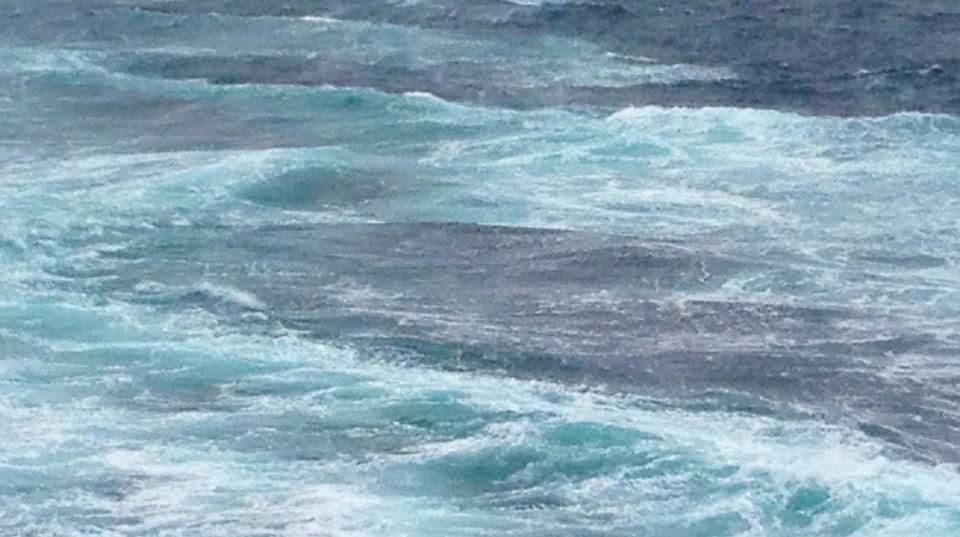
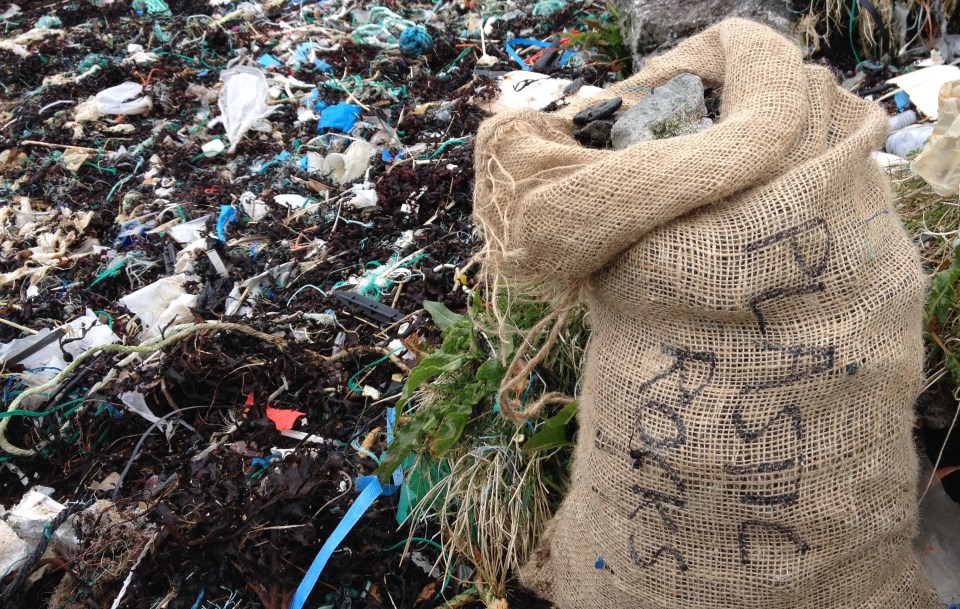
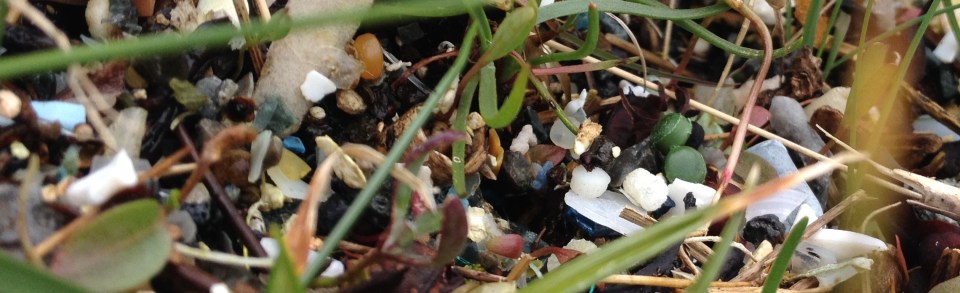
Visitors to NEO Terra  have taken time to record their responses to seeing the New Land an archipelago of plastic islands stretching across the PLASTIC OCEAN and appearing in the POLYMER SEA . 

cord-island

Beautiful work, great to work with Julia, truly inspired. Kirsty (UHI fine art student)

I feel sorry for the animals and nature. Well made   ID

Very worrying but excellent exhibition, thought-provoking   S Mathieson

Thank you this is an outstanding exhibition  IP

Well done, fascinating & so worrying C Hill

Amazing! Really brings to life the problem of plastics in the environment Austin

Important wonderful work well done Julia

plastic-ocean

Incredibly important work Julia inspired and inspiring. Congratulations. J Ashdown

Thought provoking installation R Priest

Interesting but very worrying

Memorable and so unsettling A Williams

Stunning – thank you for bringing to life the destructiveness of man. C B

polymer-sea

Thought provoking and shocking, Great exhibition. K Hubbard

Fantastic, interesting, informative excellent exhibition. E Bennet

Stunning work which has an impact on so many levels, emotional visceral, acerbic, and cognitive      – very powerful and beautiful. J Nixon

Once I found a 6 foot diameter ball oaf plastic strapping, would have tangled up boat, seal or turtle. Criminal!    W Johnson

Great vision Timely exhibition – very acute, Will re visit  N Heth

Had a wonderful discussion with Julia about her work. The presentation especially the film is incredible work.     R & N Carlin Ontario Canada

terra-nova

Fantastic exhibition. Hard hitting video piece is really good. C Slater

Loved this display and is actually quite eye-opening once you see it laid out , about what pollution is doing. Very easy for children to understand as well which makes it even better. Would like to see more like this.  Fiona Livingston

It was amazing thank you for showing us  K McCormack (12)

Fairly brings home, the amount of damage being done to the world and the legacy we are leaving for the generations to come.  McCormack

Great to see the culmination of a project involving schools, including ours. An ingenious and creative process with links to arts, science and words. Plastiglomerates mimic rocks – distinguishing reality can be an interesting concept.    Joyce Gordon (Nesting school teacher)

Brilliant, multi-layered work, engaging, imperative – works at so many levels Judith Edinburgh

You walk on a beach & notice debris, flotsam /jetsam. Two or three days later you walk onto another beach & again notice the same. But you somehow do not notice the accumulative damage which this display brings to your conscious! Jim B Lerwick

img_3398

Glad to have had the opportunity to talk to so many visitors, to hear their own observations about local beaches, their outrage at what we are witnessing and their support for finding new ways to show the critical need for change. 

Please keep writing in Da Gadderie and here on line.  How  do we bring about change?

I will be in the gallery on Friday afternoons  2 – 4pm analysing the beach samples, visitors welcome.

Thanks to Alistair Hamilton for the following review: The Littoral Project: An Exhibition That Worries, Provokes, Inspires | Shetland.org http://www.shetland.org/60n/blogs/posts/the-littoral-project-an-exhibition-that-worries-provokes-inspires#.WAfheZuH1cM.twitter

NEO Terra: first sighting

NEO Terra: first sighting

This slideshow requires JavaScript.

The first sighting of the exhibition NEO Terra, an archipelago of  islands  was seen on Saturday at Da Gadderie, Lerwick,  by an inquisitive, thoughtful and appreciative audience. These first shots fleetingly record a walk through the exhibition, around the central floor installation a 10 metre map with plastiglomerate archipelago within the Polymer Sea.  Exiting this space the Terra Nova animation made with Shetland filmmaker JJ Jamieson illuminates the origin and making of the islands/the plastiglomerates.

Turning left visitors enter an  interactive space where plastiglomerates with their place of discovery can be examined. 60 beach samples from around the islands are arranged side by side , a selection of which  with commonly found microplastics  can be magnified and projected.  Notes can be left of observations.  Opposite is a photo documentation of education workshops carried out in schools this spring.

Five cubes constructed out of plastic items found on beaches and a simply drawn timeline notating how long different items/materials might last on beaches completes the exhibition.

The exhibition runs until the 12th of November at Shetland Museum & Archives and is open very day 10-4pm. I will be present in the gallery on many days during the exhibition naming coastal features and analysing the samples collected. I look forward to meeting visitors particularly on Friday afternoons between 2-4pm

Many thanks: to JJ Jamieson for his creative collaboration and technical dexterity in making the animation. Thanks to John Hunter Shetland Museum & Archives curator for going along with plans for re-configuring the gallery, physical help in constructing the walls and keeping us smiling while installing and to Davy Cooper from the Shetland Amenity Trust for lending us equipment and calm we can fix it support. 

Installation was only possible with the help of artist/photographer Ailsa, art students Alice and Kirsty, Jane from Sumburgh Head, and Sita Goudie and Alice from the Trust.

Thanks to Jean Urquhart for making the connection between my work on the NW coast and the work of  Sita  Goudie running the Shetland Amenity Trusts Environmental Improvement work who in turn enabled the Littoral Art Project in Shetland to happen.

Plus all my friends and supporters on the mainland and world wide thank you !

cs-logo-1-copyand travel support from North Link Ferries
NEO Terra : exhibition invitation

invite-image

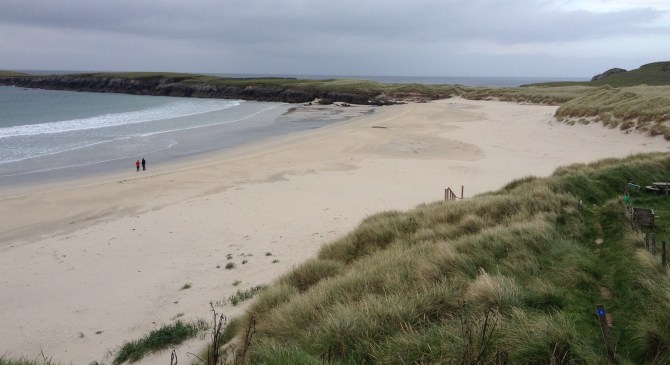
You are cordially invited to the opening event of  Neo Terra 

Da Gadderie  Saturday 8th October    12 noon – 2pm

Neo Terra is the culmination of three years research investigating plastic marine and beach litter. The installation uses less obvious often unrecognised plastic litter ‘plastiglomerates’ collected on the beaches of Shetland and Ross-shire.

The accompanying animation Terra Nova made in collaboration with Shetland film maker JJ Jamieson, illustrates the origins of the plastiglomerates and the disturbing nature of the global plastic pollution issue.

Julia hopes her work will encourage people to take a new look at the scale, nature and consequences of this environmental issue and what we can do to tackle it. Visitors are invited to use the interactive area to take a closer look at beach samples collected from around Shetland and to see the photo-documentation of workshops facilitated by Julia and Shetland Amenity Trust’s Dunna Chuck Bruck anti-litter team with 15 schools across Shetland this spring.

Littoral – the zone between the low and the high tide marks

Click here for a full Press Release

Big Aim …..

Big Aim …..

…all around the UK this week thousands of people who care about the marine environment have been spending time on beaches to count the thousands of pieces of litter  on each beach in order to help MCS to build a much needed detailed picture of the state of our beaches and to carry out beach cleans.

breckon-beachBreckon Sands

On such a week I feel privileged to  have visited four award winning beaches on Shetland cared for by local communities and visitors.

Two beaches,  Breckon Sands and West Sandwick , which I hadn’t visited before on Yell  where both stunningly beautiful and incredibly clean . I relished the experience of being able to let my eyes wander across the strandline enjoy and splash zones un-interrupted by litter. Joy !

west-sandwick-beachWest Sandwick

My trip north was a great treat in the middle of preparing for the Littoral Art Project exhibition. An  expedition to collect beach samples (both sand and Plastiglomerates from  coastlines in areas I previously hadn’t visited.  All samples  are now being processed ready for inclusion in the Neo Terra installations .

pund-beach-2Pund Beach                                                                                                                                                                   T    Sadly 10kg of plastiglomerates were collected and carried out from Pund beach,  a remote beach that has today been surveyed for the MCS Beachwatch. We hope the survey we did is the start of building a detailed record of the state of beach litter  here in Shetland over coming years .
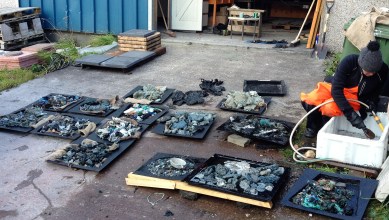
I hope the work I am creating using the samples collected from over 60 beaches  will engage people and stimulate discussions to find  ways of reducing  discarded waste materials, to find more sustainable ways  to avoid the increasing destruction of our marine and coastal environments. exhibition-preparation

Processing materials for inclusion in Neo Terra  installation.

Exhibition opens at noon on  Saturday Oct 8th . Da Gadderie, Shetland Museum & Archives All welcome!

Making….

Making….

…. the process of making work for the exhibition has steadily been taking place over the last month in a series of places across the country.

Drawing and configuring island plans for my archipelago map and filming micro-plastics  at Wasps Studios in Edinburgh

Collecting & photographing litter items on the Firth of Forth beaches. The Guide to Beach Litter will be launched at an interactive educational event during the exhibition.

Modelling and photographing my toy commando in Borders 128 changes and shots were made to produce a short stop frame sequence for the exhibition animation.

Moldmaking and casting wax replicas of beach litter and the toy commando in the well equipped mixed media workshop at the Edinburgh Sculpture Workshop

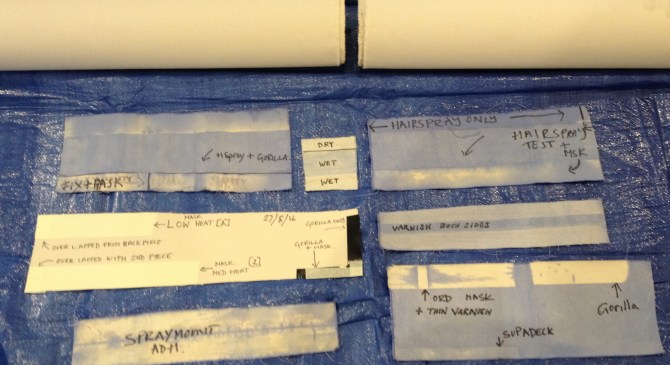
Canvas dying experiments took place this week with friends at An Talla Solais in Ullapool. Scaling up the dying process revealed  difficulties in maintaining the consistent colour I want to achieve, an Ordanance Survey sea blue. Taking this liitation on board the canvas/map will now be made in a time honoured reliable way using paint

The final making stage  of this exhibition work will begin tomorrow when I arrive back in Shetland, where I will be delighted to take up my place as Artist in Residence at Sumburgh Head Lighthouse.

Post written while I wait to board the MVHrossey  from Orkney. Thanks to North Link Ferries support towards my passage.  The show opens on 8th October at Da Gadderie Lerwick Museum and Archives and runs until 12th November.

Searching…….

Searching…….

IMG_2606

….coastal geographical words, understanding of different polymers, appropriate materials, remaining animation shots to use in the making of my  exhibition  installation and for specifically for specialist support:

IMG_2616


a laboratory to carry out a chemical analysis of the different polymers fused together in the plastiglomerate samples that I have collected over the last year. The analysis will form a important part of the part of the installation


IMG_2614


promotional help, such as  contacts in news papers, journals, on line sites,  who would be intersted in telling the marine plastic issue from a new explorative visual angle using the Littoral Art Project story and exhibition


Any suggestions/comments/networking help for the exhibition would be much appreciated.         A press release with short summary of the project, exhibition information and schedule  can be found and copied from the Press Release page. Please forward this to any supportive organisations, journalists and colleagues/friends asking for editorial coverage/ help with promoting the exhibition. Neo-Terra: a burning marine issue  at Da Gadderie, Shetland Museum & Archive, Lerwick. Oct 8th-Nov 12th . Many thanks.


Footnote:  ‘inappropriate  resting place’ taken along the Forth estuary,  while completing the photogrphic illustrations for my Guide to Beach Litter.resting place


Shetland Notes 6: Birds

Tonight I take my leave of the Shetland Isles with Black Guillemot’s  diving in Garthspool harbour. Stepping onto the deck of the ferry I am able begin to unravel what I have learnt from my extraordinary Shetland expedition.Almost 8 weeks criss-crossing the Isles, examining beaches, collecting Plastiglomerate, filming  animation footage and leading workshops with pupils with 14 schools. On this journey my constant yet ever changing companions have been the wonderful bird life that fills the skies and extensive coastline.

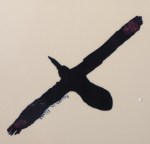
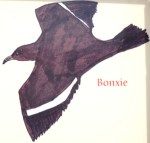
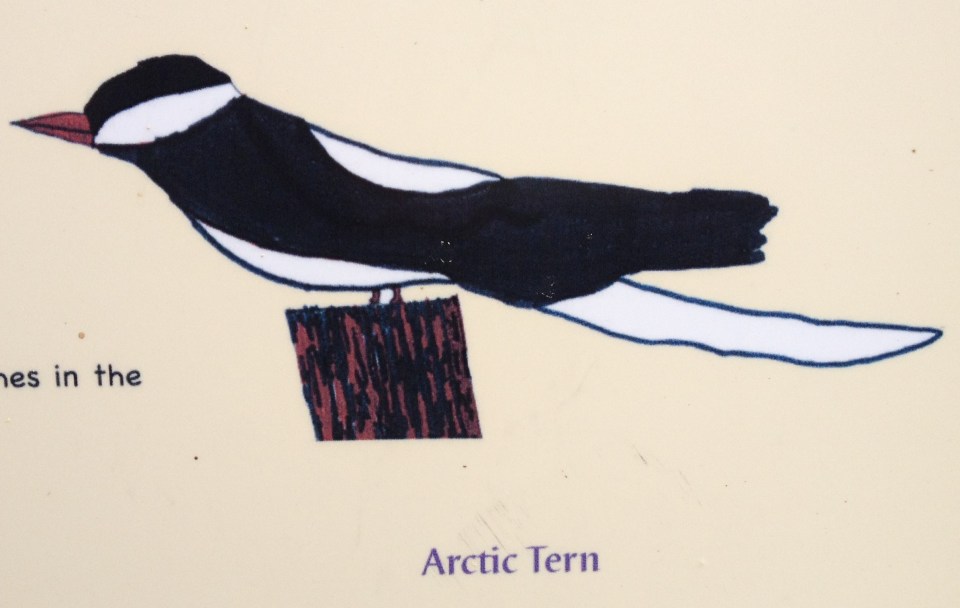
             Drawings above of a Common Gull, Raven and Skua (Bronxie) by Urafirth School Pupils

As the ferry swiftly leaves the dock and makes its passage through the Bressay Sound Arctic Terns dart across the prow of the boat and Fulmars fly down skimming  the seas surface dipping to pick up food.

IMG_1882Steaming down the east coast of the isles I focus hard on the shoreline through the mist trying to recognise some of the beaches I have collected Plastiglomerates from and lead litter investigations on with pupils from 14 schools over the last 7  weeks. The first beaches I spot are effectively the small town beaches (less thean 50m long)  there are many of them tucked in between buildings with a  small tidal range.
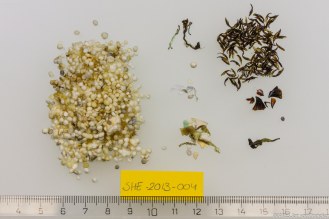
We soon pass by the Voxter beaches of stone and shingle then Hoswick  beach were we examined the beaches with local Sandwick School pupils, collected micro-plastics from the beach and considered the disturbing images (below) taken by a scientist Jan Andries van Franeker who carried out an autopsy on a Fulmar found locally on Shetlands south mainland.

130611-IMG_8518-Dove-Lab-SHE-2013-004-stomach-v2  Shetland-HD-Franeker-G00637

The dead Fulmar had over 9oo polystyrene beads plus small pieces of plastic and nurdles. Fulmars  feed on the surface of the sea and understandably mistake the polystyrene and plastic pellets/pieces for fish eggs. The result of eating so many piece of plastic is starvation as the bird thinks its full. Fulmars also feed the plastic to the chicks. The extreme dangers of micro plastics to bird life was central to our Close Examination workshops and was carefully explained by my workshop colleague Jane Outram the environmental officer of the Shetland Amentity & Guide at Sumburgh Head Lighthouse (bird observatory). Jane has been a great bird knowledge and has been an invaluable project colleague  who has helped me to facilitate the workshops and help me  differentiate  the numerous type of  waders, gulls and .

IMG_1886

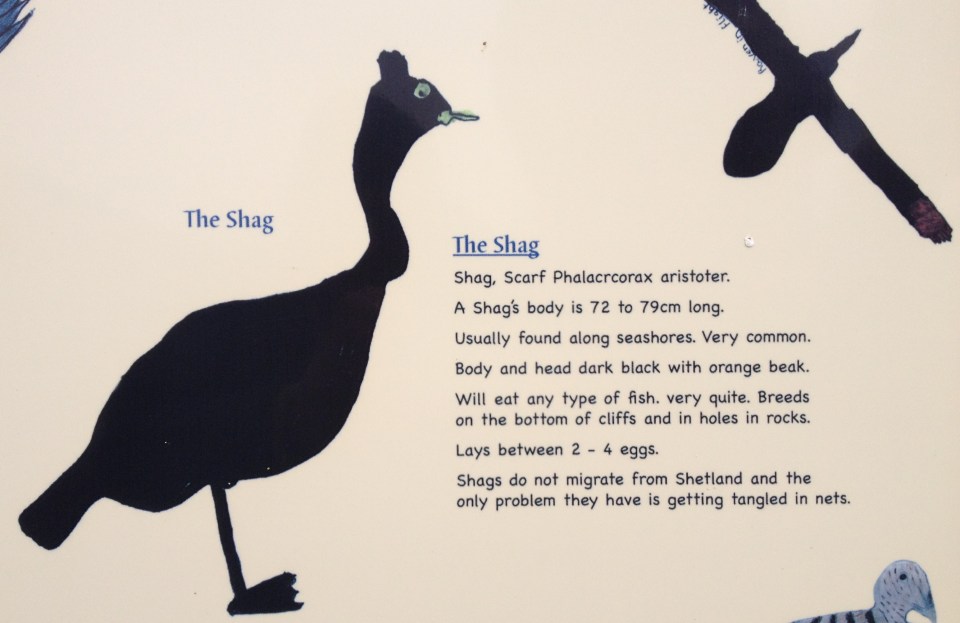
We have both been delighted and impressed by the children’s knowledge of birds while delivering the educational workshops. The Urafirth Primary Schools beautiful  illustrations used here are taken from the schools notice board which names the birds seen around their school and points out the dangers that face specific birds  like the Shag below,  from beach and marine plastic litter.

IMG_1888 (2)

Shetlanders are rightly proud of the vast aray and number  of bird and  wildlife that lives and visits the islands throughout the year. I have delighted in being able to witness this at close hand  as I criss-crossed the islands visiting beaches and schools. I have caught sight of otters cruising along the Grathspool harbour wall (Lerwick) at sunset and Red-throated Divers diving in the afternoon sunlight on Voes out west.

As MV Hrossey ploughs through the North Sea I try in vain to photograph a lone Gannet gliding  fast across the wake of the ship which is broken up by the fresh north easterly.

sea wake

As we pass by  Sumbrugh Head cloaked in cloud after  weeks of continual sunlight. I reflect on the fascinating natural beauty of Shetland and the dangers that wildlife and Birds are facing here and around the world given the increasing volume of plastics in the oceans and on the beaches.

Birdlife: (top) melted plastic rope,  (LHS) Guillemot egg on Yell,  (RHS) waders eggs increasingly exposed as nests change from muted brown to brightly  coloured

With such images in mind  I leave with an even greater determination to make work that envisages this environmental problem  in new and dramatic ways and  to stimulate  discussion and the need to act /change behaviours. I look forward to returning in September to install my work at Da Gadderie  Shetland Museum and Archives

Thanks to Creative Scotland for funding towards my animation and exhibition development work and thanks to Awards for All  and Zero Waste Scotland for funding for the educational workshops and to North Link Ferries  for help towards my travel.

CS logo 1 copy

Shetland Notes 5: Collecting

Shetland Notes 5: Collecting

As my expedition to Shetland enters its last few weeks I am travelling to as many beaches and foreshores that I can to examine the littoral zones and to collect Plastiglomerates.

IMG_1940

This morning I picked my way carefully along the tideline of Channer wick beach a steep pebble beach on the eastern side of Shetlands mainland keeping an eye out for waders nests and watching the Fulmar chicks fledging out of burrows set in the bank of the back beach while I myself was being in turn watched by three common seals basking close in to the shore line. Facing southeast this beach is cleaner than most beaches around the  Shetland/World though plastic litter is there  knitted into the raised  back beach landscape

My main aim is to collect up as amny of the Plastiglomerates I can find, so far I have found them on nearly every beach I have surveyed, even on the beautiful world renowned St Ninians (tabola), where they tend to be small fragments collecting usually at the south west corner of the beach.

My notes help me keep track of my finds, the type of beach, aspect amount of easily visible litter and the amount of  what I collect.

The numbers of sacks are a  crude summary of the amount of litter that each beach is subject to and the prevailing  tidal  flows and whether the  tidal flows are able to wash  the litter out to sea once it’s there or whether the landforms entraps the litter like at beaches such as Burrick (above left) where so far we have collected 6 sacks,  or at  Meal where I lifted several large slabs off the rocks,  or at Mangaster (below) and Mavis Grind  where the the Hightide lines are almost as deeply littered as at Burick.

IMG_1695 (2)

Mavis Grind is a significant point in Shetlands Geo Park  being a narrow isthmus between the Atlantic and the North Sea where boats were hauled traditionally from one side to other to avoid the long row around.  On my journey north today I intend revisiting Mavis Grind to try and understand  more clearly the significance of the landforms (Taings : tonues of land ) that entrap what the Atalantic and passers by leave. Connectivity permitting I will share my findings.

IMG_1694 (4)

Alongside collecting the Plastiglomerates  usually within the high tide zone, I have been taking small samples of sand/seaweed from the splash zones that evidently contain micro-plastics.  This week I will ask Higher school pupils on Whalsey Island to examine and compare samples taken from their own shorelines with those I have taken from around the Shetland Mainland.   I look forward to their observations creative interpretations and  wonderfully visiting another one of Shetlands 100+ Islands.

Shetland Notes 4: Learning

A big aim of mine is to inspire young people to creatively tackle the massive environmental issue of plastic pollution in our marine and coastal environments.

Pupils in Shetland each year take part in the great Da Voar Redd Up spring litter pick and so know only too well the size of the problem and how much effort it takes to collect and carry hundreds of bags of litter from remote beaches.  Last week 70 Scalloway primary pupils cleaned Burick Beach a mile west of the school they collected 363 bags of bruck (rubbish) off the beach approximately 100m long.

IMG_1720 (2)

Jane Outram (environmental officer for the Shetland Amenity Trust) & myself have now begun to deliver three educational workshops across Shetland. Each workshop begins with an observational session on a beach near to the school. The outside learning element of the day long workshops fitting well with many of the schools, as writ on the wall at Nesting Primary School

learning words (2)

We are criss-crossing the isles to deliver 3 different workshops devised for different ages across the Primary and Higher School years with the aim of looking at how we can tackle the litter before it arrives on our beaches, so Shetland’s  children’s children won’t have to collect hundreds of bags of rubbish each year.

school workshop locations (2)

We have had an amazing response over 14 schools will be taking part, including the outer isles. Pupils taking part will also complete a questionnaire developed and written by researchers Lynette Robertson, Agnes Patuano and Reyhaneh Mozaffar so we can assess the benefit of our creative approach to investigating  beach litter and how we can help to reduce plastics in the environment. So far we have delivered a training session to members of Shetland Environmental Education Partnerships (ShEEP) an environmental project which will continue to help schools deliver the workshops on in future years.

LAP Edu Pack 2   LAP Edu Pack 3

Our first ‘Close Examination’ into the micro plastics of our beaches was carried out by lower high pupils of Aith School, who after taking a selection of particle samples from their local beach, used simple separation techniques to discover the variety of forms that plastic particles take. Using electronic magnification identification of the types and possible sources of the particles was discussed.

IMG_1519 (3)

Using projected images of  drawings of sand hoppers, the smallest organisms known to ingestion micro fibres, we began to experiment with ways of visually making the links between the ingestion of  micro plastics by marine organisms, the related hazards particularly to birds and mammals. The pupils and biology and art teachers now plan to explore this connection further through graphics.  I look forward to seeing the work!

Year 7 pupils enthusiastically took up the roles of a Crime Scene Investigation (CSI) team, on the western end of Burick Beach to collect evidence to carry out a ‘Return to Sender’ workshop. Back in the art room our team eagerly and thoroughlyscrutinised their evidence to build up a detailed product profile.

DSCF9913   DSCF9923   DSCF9919 evidence board

Each Crime Scene Investigation team set about interrogating the litter items to learnas much as possible about the type of material it was made from,who manufacturered the product, the retailer involved, plus  recycling symbols and anti-littering information etc.

IMG_1598

With this information pupils are now composing highly visual letters, FaceBook messages and Tweets to be sent shortly to manufacturers/retailers to ask for their help in reducing packaging, encouraging recycling and investing in  research into biodegradable products to help them keep their beach free of their products. Follow the blog to see their work and manufacturers responses

A cross age group of Outer Isle School pupils from Foula, Fetlar, the Skerries and Fair Isle visiting mainland Shetland searched for ‘Future Fossils’ amongst the Voxter shoreline stones. The children took part in 2 full sessions collecting and examining rock samples,  and then excitedly broke open the fossil pebbles to reveal a variety of common objects found on shorelines all around Shetland.

observation drawing rocks & FF Voxter magnifying  Voxter timeline Voxter

Later they took time to carefully work out how long litter items such as plastic bottle tops, gun wads, balloons and ropes might last into the future and considered this in context of the time line of the world, Shetlands geology and their own existence having put their names and birth dates onto the line.  A powerful days learning outside, together. I look forward to meeting all of these children in the interactive laboratory that I am designing for the exhibition at Da Gadderie.

Special interactive school event at the museum on Thursday 27th October

Many thanks to Awards for All , Zero Waste Scotland and North Link Ferries for enabling this educational part of the project to  be devised and facilitated .

Shetland Notes 3: Tracking

  100th arrival of Statsraad Lehmkuhl at Lerwick Harbour

This week I have been fortunate to witness the arrival and departure of numerous yachts from all around the world tied up to the pier and pontoon in Lerwick old harbour. On Thursday the Harbour Authority gave a special welcome to The  Stratsraad Lehmkuhl  the 1914 barque rigged training ship on its 100th arrival, it was accompanied by 16 smaller tall ships and yachts all of which tied up for the night. This event and the the daily arrivals of cargo ships, trawlers, ferries and regular crusie liners from across the world served to remind me of Shetlands global connectivity at 60 degrees North.

Yesterday I was introduced to the wonders of online vessel tracking software  www.vesseltracker   and  http://www.aquatera.co.uk/ShetlandShipping.asp  . I am now happily learning to identify the boats in harbour, anchored out in the channels and disappearing on the horizons and  find out where they are from and going to.

My wish is that we could track the litter  as efficiently, so we could see where it enters the oceans and who is responsible locally & globally. Once our litter enters the tidal flows it’s on a journey that will last as long as the material. Gun wads  (the plastic containers that hold the shot in a gun cartridg) is a case in point found all around Scotland. But the origin can be from near or far depending where you are. For instance on the west coast of the Highlands it is generally recognised that the gun wads littering the beaches are predominantly from local shoots, the wads being washed into the burns and into the sea.

On Shetland where almost no shooting takes place it is thought that the gun wads may be from the east coast of USA and Canada where  seal culls take place every year, the Atlantic tidal currents regularly bring hundreds of identifiable US plastic Fish box tags to the same beaches where the gun wads are picked up. The wads could also be from seal culls taking place much nearer, Iceland, Norway and Finland all have annual shoots. closer perhaps mainland Scotland (deer and claypigeon shoots)l large numbers of seals

our contribrition to the ocean conveyor belt

The wads could also be from seal culls taking place much nearer, Iceland, Norway and Finland all have annual shoots some could also arrive from the Scottish mainland (deer and clay pigeon shoots) large numbers of seals, Gun wads are made of HDPE one of the slowest biodegrading plastics it is estimated upwards from 400years.

Gun wads are made of HDPE one of the slowest biodegrading plastics it is estimated upwards from 400years possibly a thousand. The threat to marine life is well established and easy to understand when looking at the underwater litter line shots of the gun-wads taken off Isle Martin which visually shows how marine mammals can easily mistake the wads for squid.

White-sided Dolpins. Photo by Mark Burges http://www.shetlandnature.net

What we drop matters wherever we are. Recent  Bruck (litter) washed up onto Shetland shores includes a MacDonalds balloon (nearest stores Bergan and Aberdeen) and what we have dropped across Shetland this week will no doubt will be on its journey to an isle nearby or far away on the next high tide tonight. Heres hoping the annual Redd Up litter clean up has picked up all the gun wads off !