• About
  • Support & Sponsorship
  • Press Release
  • NEO Terra: exhibition comments
  • Reviews & Comments
  • #LitterCUBES
  • LOST: an exhibition exploring the connections between Marine Plastic Litter and Climate Change
  • Seaweed, Science and Installations
  • Guide to Beach Litter
Skip to content

littoral: sci-art project

working to draw attention to our coastal ecology and its sustainability

Tag: Public Engagement

Posted by jcb990 on November 13, 2025 in Uncategorized

Building a Maerl Network

2025 has developed into a busy year of reaching out and joining in diverse ocean conversations taking place in forums, conferences, and creative liquid kinship groups, both in person in the UK and online internationally.

All became inspiring habitats to enter, share and absorb the knowledge exchange, fostering future collaborations and partnerships around our shared passion and concern for our marine health.

I was delighted and proud to be asked to present the R&D findings and development plans of my MAERL visual storytelling project, both at Porcupine Marine Natural History Society (PMNHS) Annual Conference at St Andrews University, themed ‘Understanding Our Marine Environment’, and at the University of Exeter’s (Maerl Forum) ‘Why Maerl?’

At both events marine scientists, conservationists, phycologists, community groups, citizen scientists, filmmakers and artists gave in-depth presentations on their specialist areas, sparking questions and lively conversations all touching on our concern for Ocean Health.

To my joy, the first presentation at the PMNHS’s conference, was a brilliantly detailed study of St Andrews and the Firth of Forth seaweeds, by Martin Wilkinson. His research documented and revealed the rate and pattern of seaweed species colonisation of shorelines polluted by the coal mining industry decades ago.

The two-day conference was packed with fascinating wide-ranging talks, sharing studies in, and unlocking hidden data, covering the decline of mussels, grey seal predation of marine mammals, bi-valve invasions, new underwater observation and recording technologies, and discussion sessions on the future of citizen science.

And Lucy May, project manager of COAST, the community organisation working for the protection and restoration of the marine environment around Arran and the Clyde,  highlighted the vital importance of Maerl in their coastal waters over the last 30 years.

The conference aptly concluded with field trips down on the St Andrews shoreline examining the inter-tidal marine life.

Inaugural Maerl Forum 2025
Jason Hall-Spencer
Professor of Marine Science University of Plymouth
Living Maerl on display at the Maerl Forum

The first ever Maerl Forum was attended by over 100 people passionate about Maerl.

Jason Hall-Spencer, Professor of Marine Biology Plymouth, gave the opening overview asking ‘Why Maerl?’ referencing his 30 years of research into Maerl and Maerl bed-habitats, which started here in Scottish coastal waters. He explained Maerls’ ecological importance on a global scale, how it provides a wealth of ecosystem functions. Yet in comparison to other coastal habitats, such as kelp and seagrass, it is still understudied and is in need of protection, particularly from bottom contact fishing gear (such as scallop dredging) and pollution from sewage, aquaculture and nutrient run off from farms.

The following 12 presentations and films highlighted not only the damage being done to Maerl around the UK and Europe, but also the beauty and importance of Maerl habitats for other species, a storer of carbon and as a component of a broader ecosystem that supports coastal livelihoods.

The Maerl Forum’s extensive collective expertise has now, layer by layer ‘like a maerl bed’, been collated and published online as the Maerl Forum Output Report, together with the impressive Cornwall Maerl Conservation Action Plan.

Central to both the Forum and the Conference was a question that underlies my MAERL project aims: How do we break out of our bubble of knowledge?

My contribution to the Forum and Conference was to share the Research and the Development of my visual story telling project ‘Welcome to MAERL’ (highlighted in my previous post ) and how the test audience became engaged in the life of maerl, the habitat it creates, asking questions and looking to know more.

Presentation papers are being published in the PMNHS bulletins and the Maerl Forum Report. The Maerl networking conversations continue, with ongoing MAERL Forum webinars; the first online meet-up in June was lead by Professor Juliet Brodie, international seaweed expert based at the Natural History Museum, presenting and discussing fascinating in depth surveys and studies from around the world, including identifying new Maerl species.

The Conference and Forum were wonderfully exciting and inspirational days, expanding our understanding of our marine environment and the importance of how to protect Maerl, our ‘Celtic Coral’.

I am happy to have shared my project with both marine communities and to be actively taking part in the construction of the growing Maerl community/habitat on land. Already plans have grown out of the forum meet ups with intentions for a Maerl Festival in 2027. 

I celebrated World Ocean Day online in ‘Liquid Kinship’ with the ocean comm/uni/ty global event listening to fellow artists tell of their collaborations with scientists, dancers , musicians. This went on to explore and find intriguing and inspiring ways to ‘tell of’ a host of issues pressurising and threatening our marine world e.g: the laying of transmission cables across the world’s seabed. At that point I was unaware that our nearby Little Loch Broom seabed, with its rich Maerl habitat, was now under threat from the laying of electricity cables.

Locally and much closer to home I took part in the Blue Hope Alliance film night, where I was able to enjoy Scotland’s Barrier Reef film also shown at the Maerl Forum and the latest Wester Ross Marine Protected Area, citizen science seabed surveys.

I also to presented my MAERL Project plans, including leading a series of forthcoming school Maerl workshops in Ross-shire, now underway, with local funding from the Ullapool Community Trust and the Ullapool Harbour Trust.

‘I am looking forward to more ocean conversations as I search for collaborators to partner me in creating a series of creative events, finding locations/venues and to identify funding sources.’ JB 

Thanks to:

Betty Green Award: Porcupine Marine Natural History Society Conference Grant 2025

Cornwall Council: for support to present my project at the Maerl Forum,  Exeter University

Seasearch: for enabling healthy living maerl to have a rightful place at the Maerl Forum, albeit in a temporary regulated observation tank ( left) Seasearch

Notes:

Porcupine Marine Natural History Society: Is an informal society interested in marine natural history and recording, particularly in the North East Atlantic region and the Mediterranean Sea. Porcupine MNHS welcomes anyone interested in marine biology and ecology. www.pmnhs.co.uk

Maerl Forum: If you would like to be added to the Maerl Forum contact list, email  Abigail.crosby@cornwall.gov.uk  Short intro to Maerl Beneath the waves of Cornwall lies a rare & ancuent marine… Webinar recording: ‘Maerl Perspectives, from Global to Local’ Cornwall Council Nature’

Blue Hope Alliance: A voluntary citizen science survey coalition working together to document and protect the ecosystem.    https://www.bluehopealliance.co.uk                                                     

Ocean Uni: The ocean comm/uni/ty is an online social space developed and hosted by TBA21–Academy for ocean lovers, researchers and practitioners to gather, discover and (un)learn across oceans https://www.instagram.com/tba21academy/?hl=en#

Share this:

  • Email a link to a friend (Opens in new window) Email
  • Share on X (Opens in new window) X
  • Share on Facebook (Opens in new window) Facebook
  • Share on LinkedIn (Opens in new window) LinkedIn
  • Share on Pinterest (Opens in new window) Pinterest
  • Print (Opens in new window) Print
Like Loading...
2 Comments
Posted by jcb990 on April 15, 2019 in #LitterCUBES, Public Engagement, Uncategorized

#EDSCIFEST

7.jpg

Great week working with young people at #EDSCIFEST at Dynamic Earth.  A chance to examine one of the most common litter items and common forms of plastic PET [Polyethylene terephthalate] that ends up in our seas.

Visitors joined me to calculate how much energy (petrol) we can save by recycling plastic bottle. Bottles weighed 11 – 45 grams and using an Embodied Energy formula for PET we calculated that the energy value of 100 bottles each weighing 30 grams would contain the energy/petrol equivalent to travel 84 km in a small car, or 385 calories, enough energy to walk 7km. Thought provoking images and values to share and make us all determined to make sure we don’t drop but recycle all our bottles. Thanks to everyone who attended, donated bottles and helped out with the event. Looking forward to bringing all the #LitterCUBES to #EDSCIFEST 2020.

1
2
5
3
6
IMG_0702


Share this:

  • Email a link to a friend (Opens in new window) Email
  • Share on X (Opens in new window) X
  • Share on Facebook (Opens in new window) Facebook
  • Share on LinkedIn (Opens in new window) LinkedIn
  • Share on Pinterest (Opens in new window) Pinterest
  • Print (Opens in new window) Print
Like Loading...
Leave a Comment
Posted by jcb990 on March 11, 2019 in #LitterCUBES, Uncategorized

Spring collection

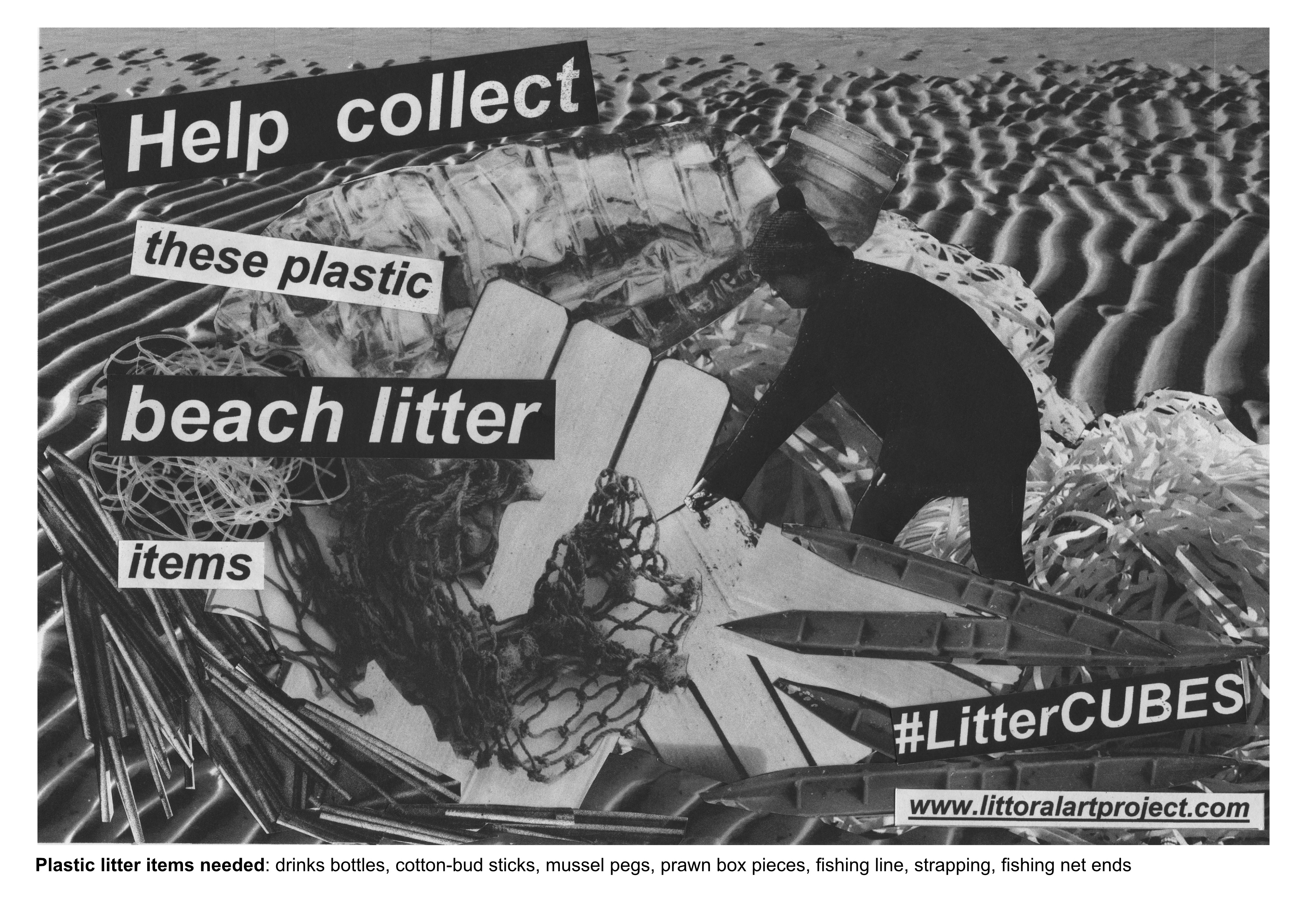
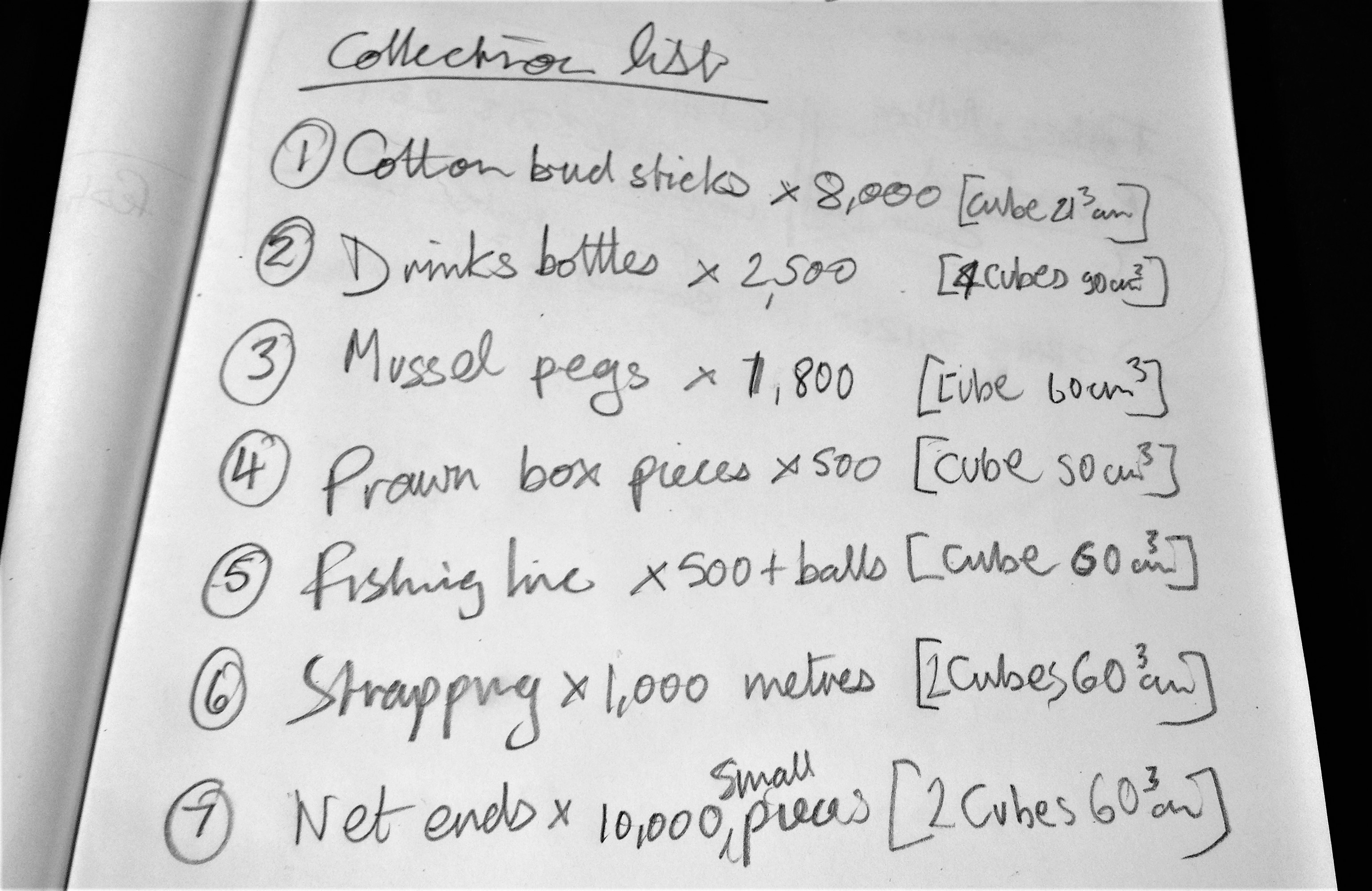
As the spring tides roll in, I am making a call-out for thousands of plastic litter items with which I will make 12 sculptures #LitterCUBES this year.

Landscape poster with list of litter itemsIf you, your friends, beach cleaning groups, schools, business’s can help please get in touch.  I am asking people to collect seven “known offenders” to illustrate the volume, nature and energy contained in the plastic litter on our beaches.  collection listI am arranging for collection barrels to be placed in the locations I will be working in and I will send out bags and labels for posting smaller items like fishing line and cotton bud sticks. #LitterCUBES will be completed and shown at the following locations in 2019dates for blogThis project is being made possible with partial funding from individual donations, r.a.g and Schallion co-operative giving collectives, Tayside Biodiversity Partnership , Eyemouth Marine and with much in-kind support from Eyemouth, Ullapool, Dunbar Harbour Trusts and Eyemouth and Ullapool arts centres.
I am waiting for decisions on several applications, but the project still needs your continued support. Please donate using the DONATE button at the top of this page. 

Click here for more information about the #LitterCUBES project

Shetland poster 2
Angus, Borders, East Lothian,
portrait poster ullapool

Posters available to advertise beach collections – leave a request in the comment box


Share this:

  • Email a link to a friend (Opens in new window) Email
  • Share on X (Opens in new window) X
  • Share on Facebook (Opens in new window) Facebook
  • Share on LinkedIn (Opens in new window) LinkedIn
  • Share on Pinterest (Opens in new window) Pinterest
  • Print (Opens in new window) Print
Like Loading...
4 Comments
Posted by jcb990 on January 17, 2019 in Uncategorized

Inspiring…..

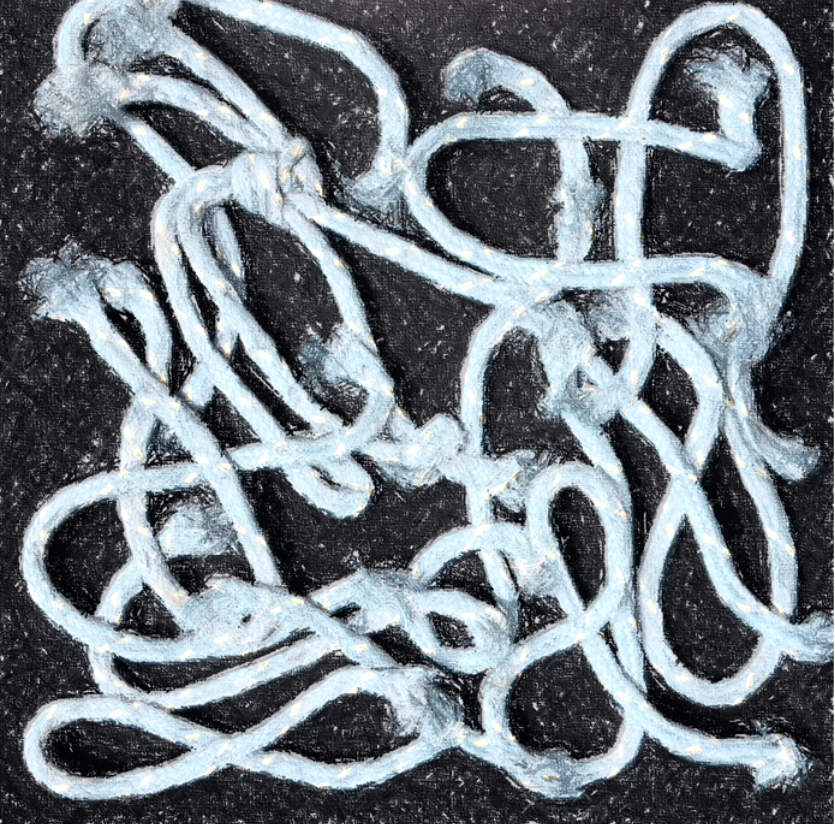
…community members of Dunbar joined me at Dunbar Harbour on Tuesday night to hear discuss how I’m planning to make two #LitterCUBE sculptures at the harbour, using discarded, washed up plastic drinks bottles and net ends commonly found in the harbour and along the local beaches. I shared how I want to make the sculptures to highlight the plastic  leaking into the sea and the value of this plastic that’s being wasted.

We had a wonderful and exciting exchange of ideas, followed by great suggestions of how to link into the towns many environmental and arts activities . The upshot is we have begun a great supportive net-work, as strong as the net I will be sewing together to make a #LitterCUBE from.

untitled

Residents…… teachers……. arts organisers……. the harbour trustees…….. artists…….  marine biologist…… parents and a business manager at the meeting  wonderfully offered support and suggested that I aim to stage the event in June, to link into Dunbar Civic week and North Light Arts Sea Change exhibition.

June 10th-23rd : proposed dates  for making the#LitterCUBES  in Dunbar  .            More detail about events to be  added as soon as I am clear about the funding situation. Anyone can help by collecting materials for the #LitterCUBES  which will be stored at the Harbour. Please get in touch if you can help.

20190115_180102
5a2ec78a-8759-46e5-b4f7-0a6598592531
IMG_8211

Thanks to the Dunbar Harbour Trust (and Quentin Dimmer, the Harbour Master) for hosting the event and  North Light Arts for helping with promoting the evening event.

You can help to ensure this event happens by making a donation here on the site .           Press DONATE to project at the top of the page. Thank you !


Share this:

  • Email a link to a friend (Opens in new window) Email
  • Share on X (Opens in new window) X
  • Share on Facebook (Opens in new window) Facebook
  • Share on LinkedIn (Opens in new window) LinkedIn
  • Share on Pinterest (Opens in new window) Pinterest
  • Print (Opens in new window) Print
Like Loading...
2 Comments
Posted by jcb990 on September 21, 2018 in Uncategorized

Public Engagement

Over the past few weeks  I have been  testing  out potential support in new coastal locations where I intend making a number of my #LitterCUBES next year.DlJUsIfWsAARQwP

DlIIFDSU0AARA36
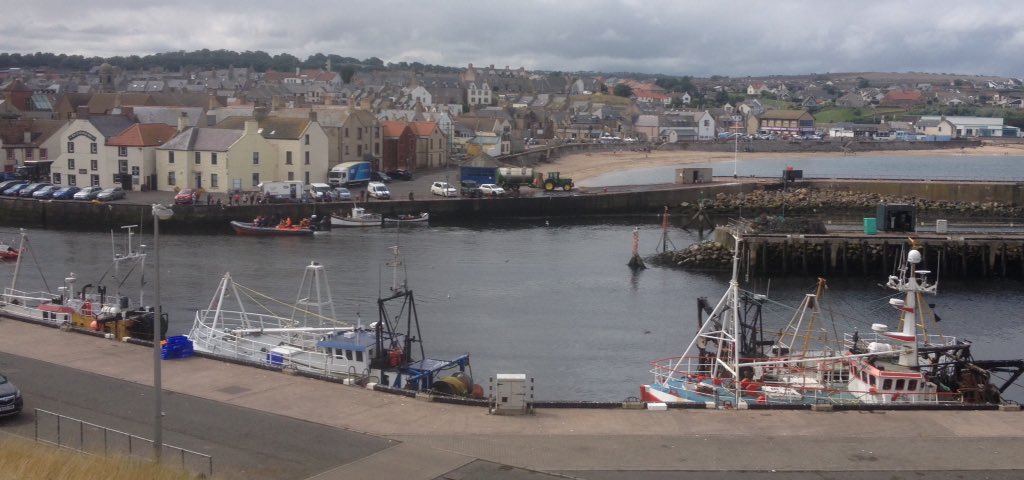
Eyemouth Harbour & beach

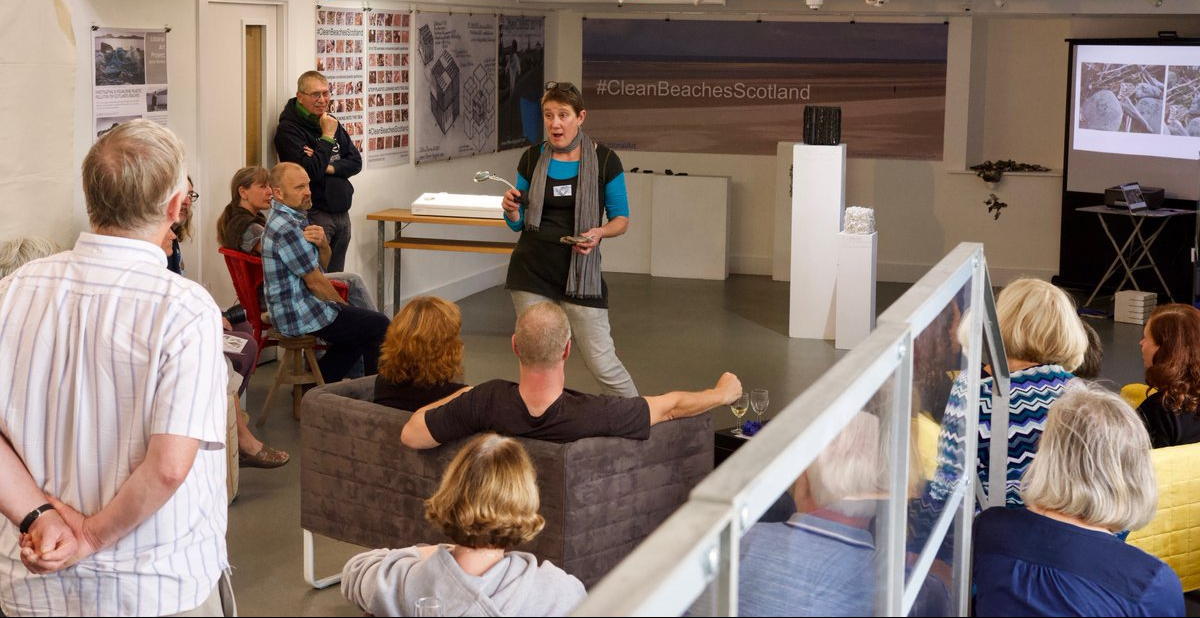
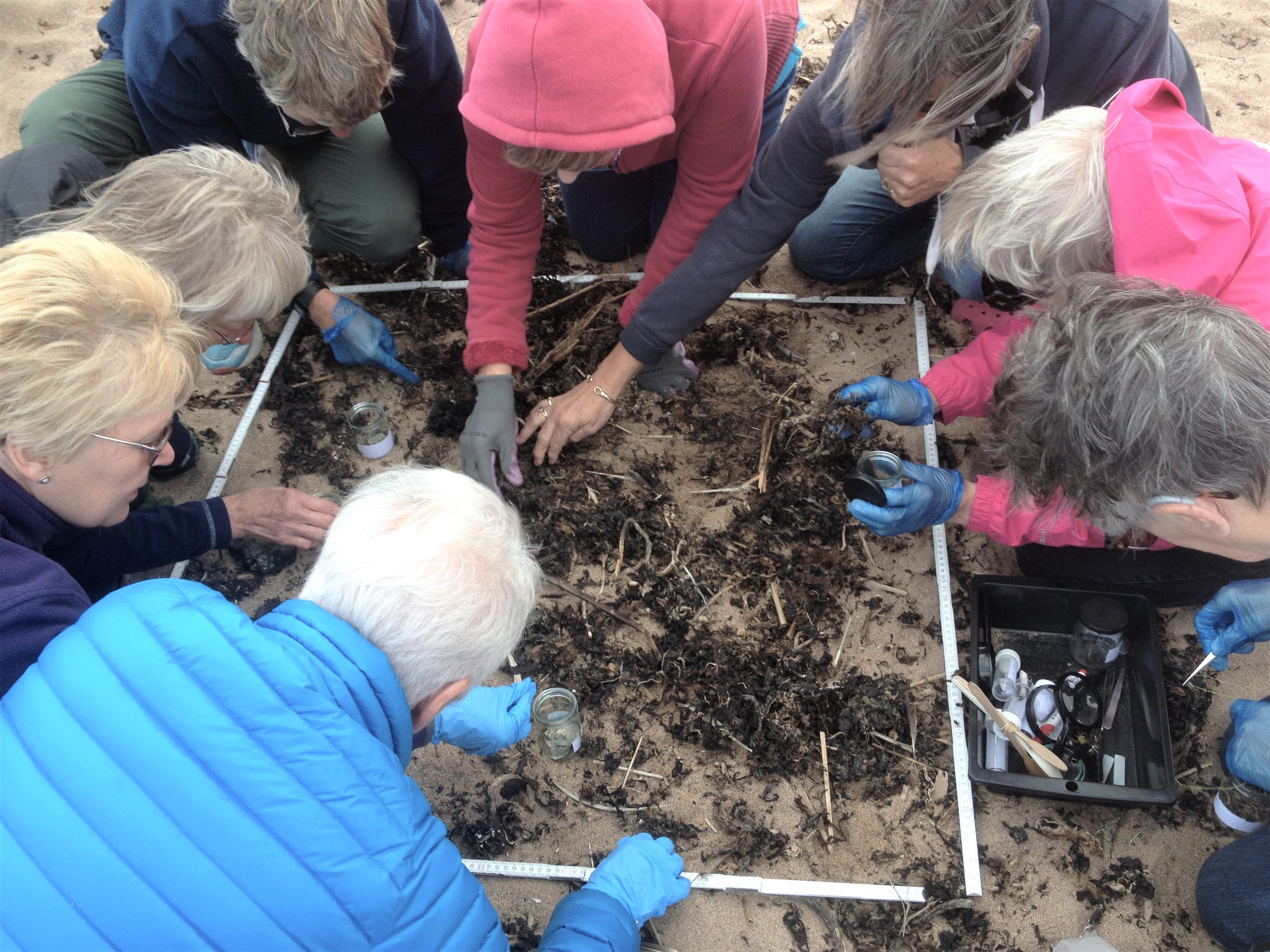
Invitations from the Hippodrome arts venue in Eyemouth and the Angus Coastal Festival led me to share my entangled arts/science  journey with marine litter in illustrated talks over the past few weeks, in a gallery and during practical workshops on the beaches. Over 100 interested residents eagerly asked questions about my findings and were keen to talk through local beach litter issues, e.g.  takeaway food litter in Eyemouth and broken Creel components in Angus- all were concerned about the volume of fishing litter washed up and intrigued to talk through my idea of making big #LitterCUBES  out of litter specific to their coast line.

DmlBbcYX4AEItnv
IMG_1612
IMG_1662

Close examination east haven beach (2)

Our East Haven  group collecting less easily seen plastic particles Angus Coastal Festival

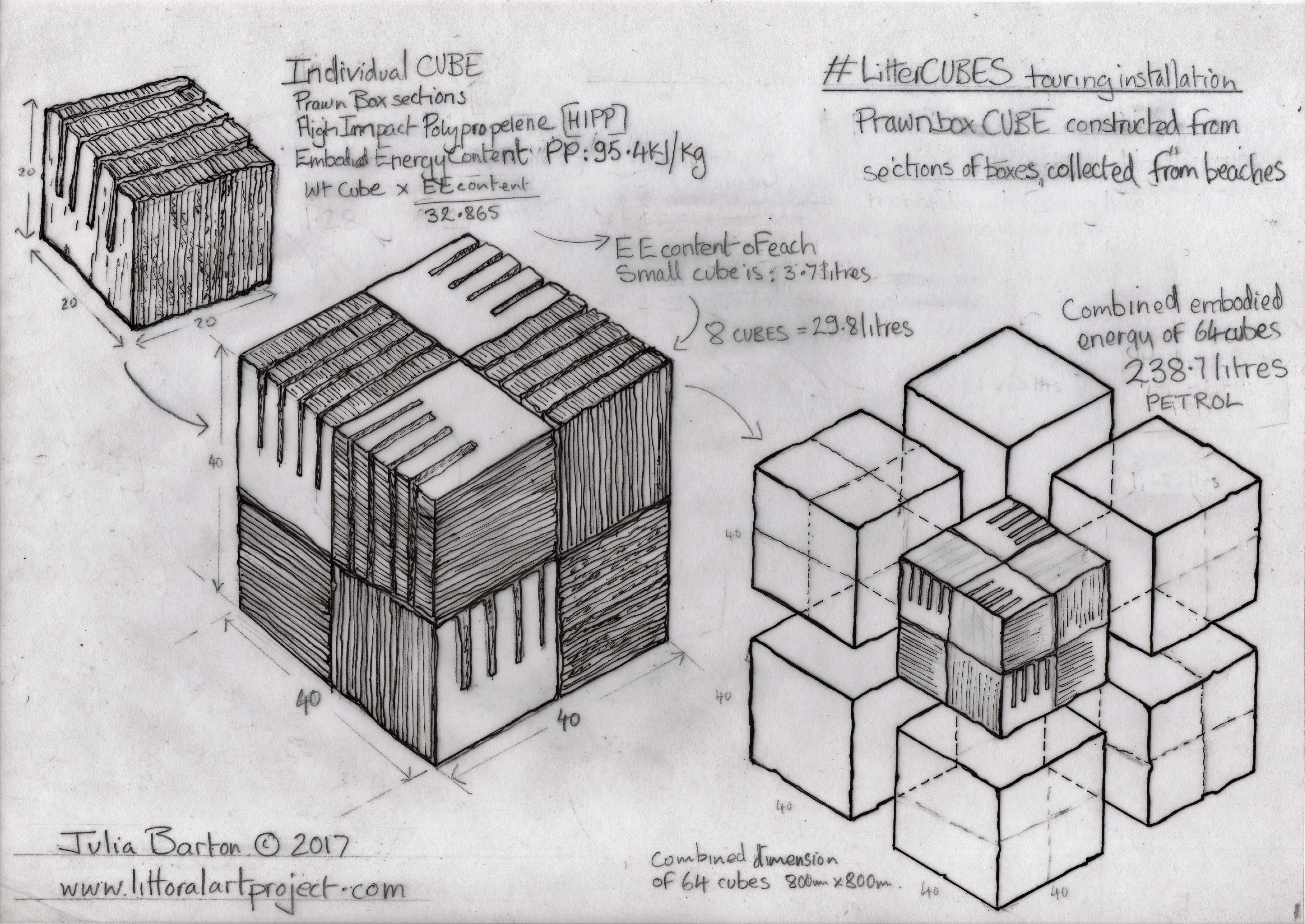
Such  informal interactive events like these are at the core of my work. An Eyemouth resident after studying  my working drawings (below) showing  how I will calculate the energy loss that a CUBE represents, in terms of litres of petrol – suggested I also calculate the loss of energy in terms of calories. A great suggestion  especially for younger  members of the the public  i.e. this CUBE has the same energy as ’50 fish suppers’

CUBE construction diagram

In addition to ideas and offers of help, many donations were made to my Just Giving #LitterCUBE appeal, which has today reached £1,314. I still need to raise another £686 so please pass on the link to as many people as you can.  Take a look at the appeal video showing one of the making processes. Thank you to everyone who has donated!

I am available and happy to give illustrated talks and run close examination beach  workshops to groups in return for a fee/donation towards making the 30 sculptures in 2019 Please get in touch. I took the project story south to Anglesey last week and made interesting coastal connections with Bangor U3A &  Friends of The Anglesey Coastal Path


Share this:

  • Email a link to a friend (Opens in new window) Email
  • Share on X (Opens in new window) X
  • Share on Facebook (Opens in new window) Facebook
  • Share on LinkedIn (Opens in new window) LinkedIn
  • Share on Pinterest (Opens in new window) Pinterest
  • Print (Opens in new window) Print
Like Loading...
Leave a Comment
Posted by jcb990 on July 9, 2018 in Uncategorized

Invest in Me

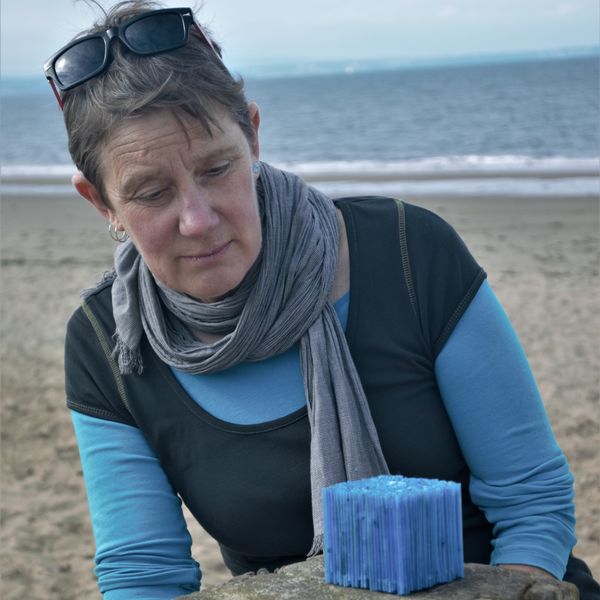
Julia Barton, Portobello photo by Penny Haywood Calder

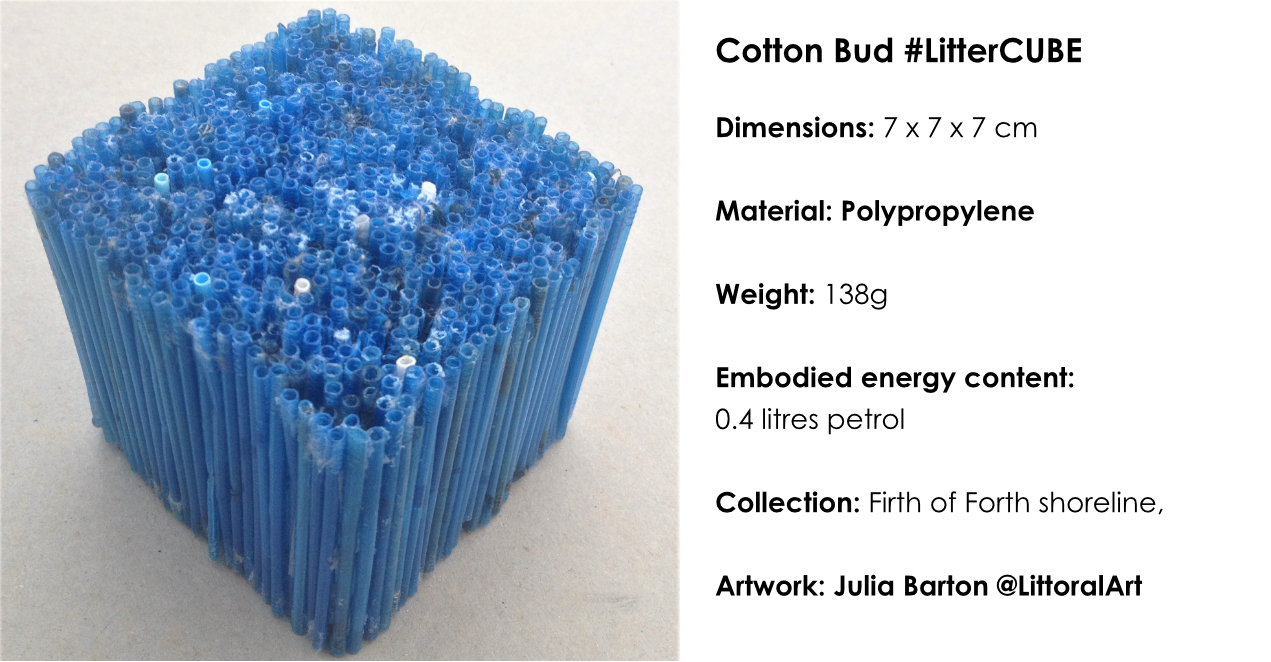
To make a series of 30 large sculptures  #LitterCUBES from plastic beach litter collected from shorelines around Scotland in 2019, to show the link between plastic and oil. I want to engage people in weighing the #LitterCUBES to calculate how many litres of petrol each CUBE represents .

Donations of any amount are welcomed to start the fundraising  to make the sculptures, so we can visualise the true cost of plastic pollution.  Visit my Just-Giving crowd funding page to learn more and to donate.

Cotton bud CUBE EEc 2

Click below to listen to a Podcast  explaining the background to the #LitterCUBES

https://littoralartproject.com/wp-content/uploads/2018/07/80-julia-barton-environmental-artist.mp3


CUBE construction diagram

There are limited edition prints  of small # LitterCUBE surfaces to win.

IMG_9783

Please pass on the Just Giving link and leave suggestions of how to promote the appeal.  Thank you!


57.897791
-5.161050

Share this:

  • Email a link to a friend (Opens in new window) Email
  • Share on X (Opens in new window) X
  • Share on Facebook (Opens in new window) Facebook
  • Share on LinkedIn (Opens in new window) LinkedIn
  • Share on Pinterest (Opens in new window) Pinterest
  • Print (Opens in new window) Print
Like Loading...
Leave a Comment
Relate North
Posted by jcb990 on November 10, 2017 in Uncategorized

Relate North

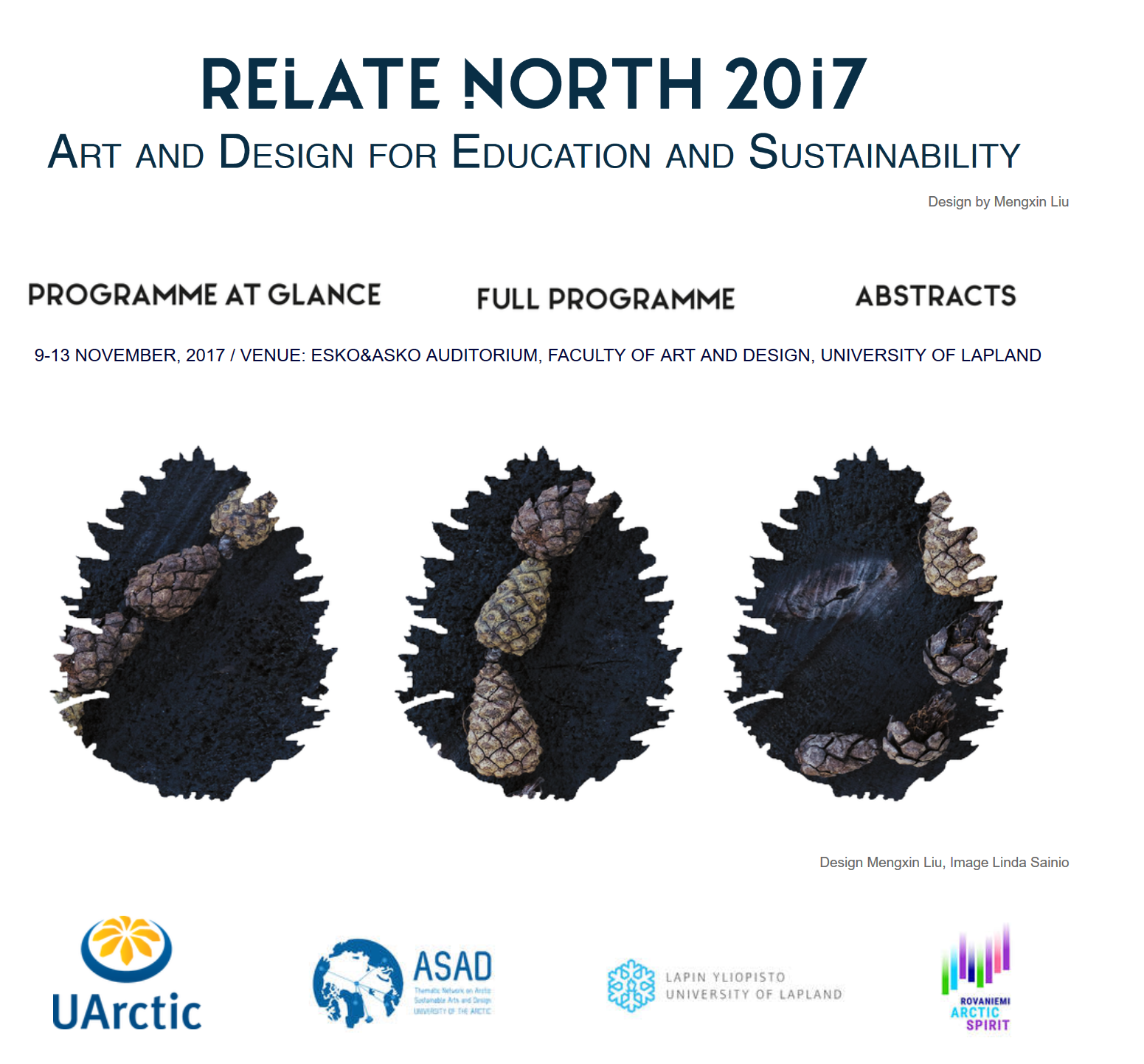
Today artist’s  working across the Arctic are coming together to share their work at the 2017 RELATE NORTH Symposium at the University of Lapland, Rovaniem – while I am sadly unable to be there a piece of my work from my NEO Terra exhibition will be on exhibit alongside those of artists working in Finland, Canada, Scotland, Alaska, Russia, Somi Republic, Norway and Sweden.Screenshot-2017-11-12 RELATE NORTH 2017

The piece I have sent is one of my #LitterCUBES, made from plastic particles collected from along the strandlines of Shetlands beaches during my residency there in 2016.

#LitterCUBE. mixed PE,PET,PETE polymer particles. J Barton (3)

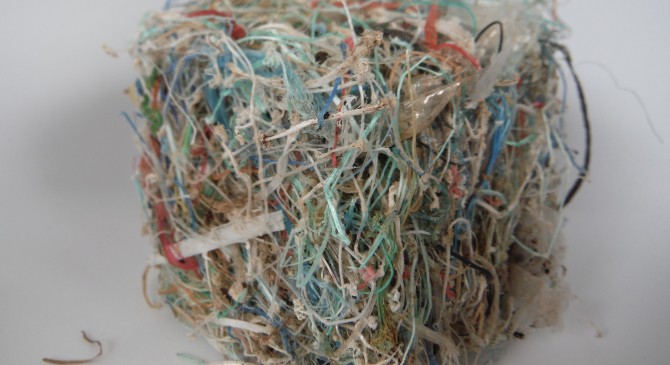
#LitterCUBE 2016 – is a compressed assemblage of mixed polymers Polyethylene terephthalate [PE-PET -PETE] Compressed assemblage 5 x 5 x 5 cm.

In 2014, Rachel W. Obbard recorded 38 – 234 particles of microplastics per cubic metre of Arctic ice. Globalwarming releases microplastic legacy in Arctic Sea ice

52 of the 60 beach sand/substrate samples I collected from Shetland contained plastic particles . Many of the strandlines were thick with plastic fibres and particles. In extreme instances  the fibres & particles mound up metres deep  – the link to their source  ropes/nets/cord of the commercial fishing industry is plain to see.

Scalloway beach fibres
IMG_1880
IMG_3622 (2)
GEDSC DIGITAL CAMERA

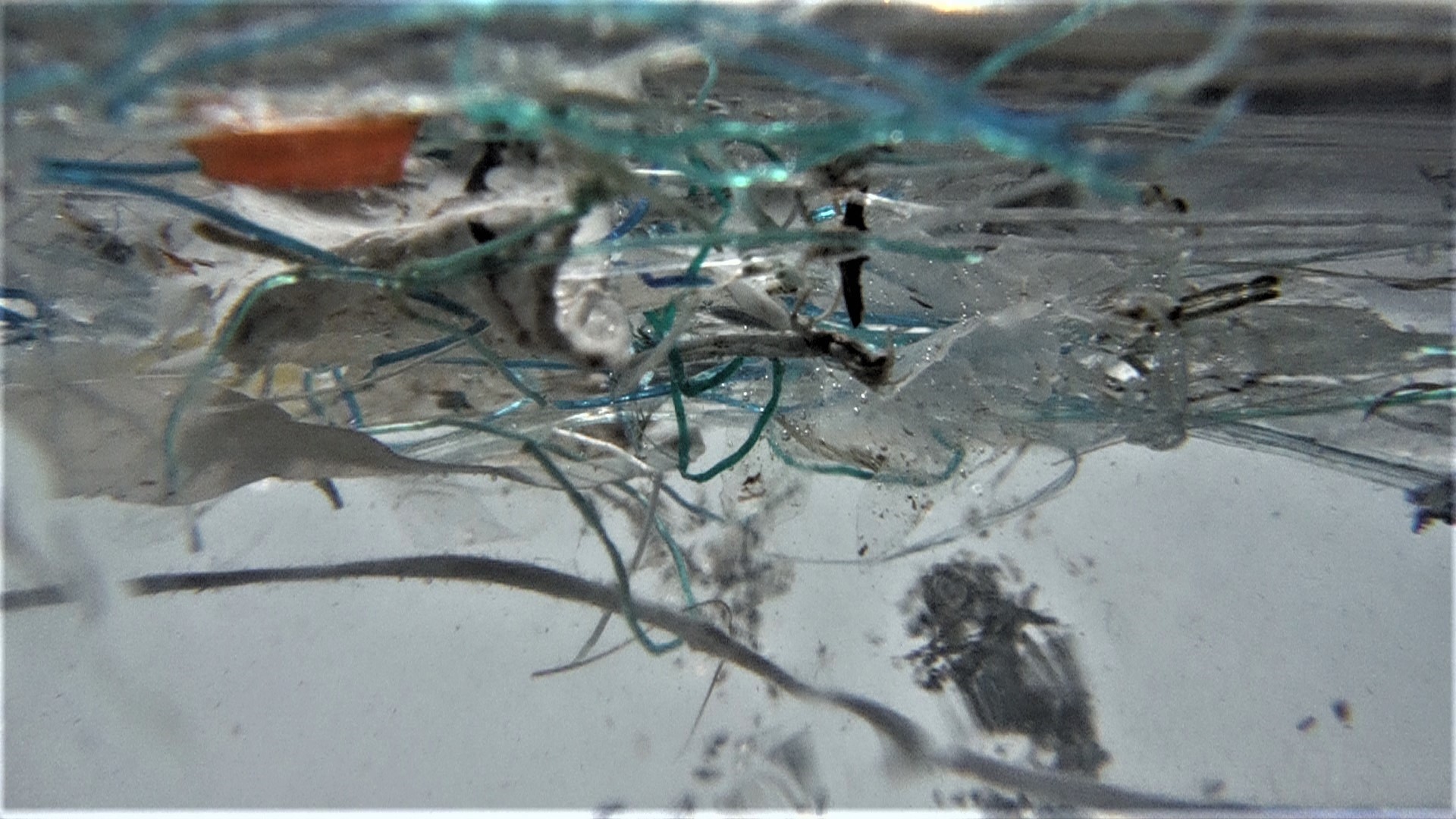
The consequences of such pollution are thankfully  increasingly being monitored by scientists like Obbard. And marine biologists like Winnie Courtene-Jones who are researching and documenting the effects of micro-plastics on invertebrates in the Deep Sea. Plastic has been ingested by marine organisms as small as Sand-hoppers and Algae at the bottom of the food chain .  The consequences of this pollution is  ironically massive for the fishing industry .  Below are a few of the creative community workshop images  envisaging the issue of plastic fibres taken on during my project.

2particles
WIN_20171110_16_22_57_Pro
IMG_3866 (2)
img_3845-2
Aith Micro-plastics (2)

My visual essay of my work in Shetland is being published by the University of Lapland Press this week and will shortly be available on-line.

Shetland’s Littoral Zones: An art-science project revealing the legacies of plastic pollution on beaches in the north of Scotland.consequences of plastic leaking into Northern ecosystems.

2particles

Footnote RELATE NORTH – Art and Design for Education and Sustainability 2017     EXHIBITION runs from 12th November – 30th November 2017                                     Thematic Network on Arctic Sustainable Arts and Design: http://www.asadnetwork.org University of the Arctic: http://www.uarctic.org/


Share this:

  • Email a link to a friend (Opens in new window) Email
  • Share on X (Opens in new window) X
  • Share on Facebook (Opens in new window) Facebook
  • Share on LinkedIn (Opens in new window) LinkedIn
  • Share on Pinterest (Opens in new window) Pinterest
  • Print (Opens in new window) Print
Like Loading...
Leave a Comment
Posted by jcb990 on June 7, 2017 in Uncategorized

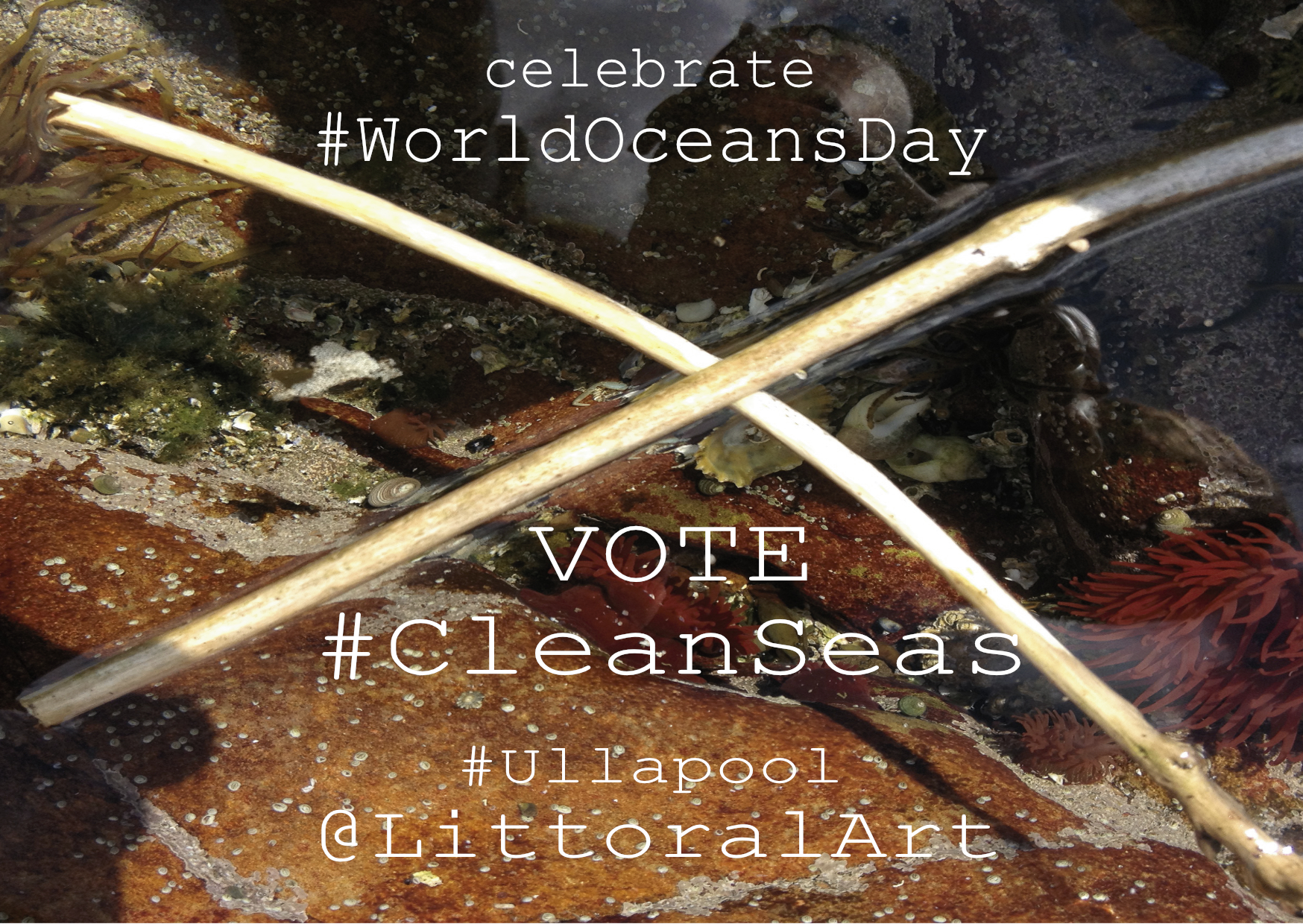
VOTE #CleanSeas

Sticks XWorldOceansDay 8th June 2017

2017 Election: VOTE #CleanSeas is up and running here on-line or at the NEO Terra exhibition @AnTallaSolais  from 10am Argyle St, Ullapool

Many thanks for taking time to register your VOTE – all feedback about your experience of this and/or other @LittoralArt events you have taken part in, will be much appreciated and useful in arguing the case for support of public engagement Art Events/Exhibitions  .

Comments can be left at the end of the Poll in the ‘Other’ box or by clicking on the comment button below.

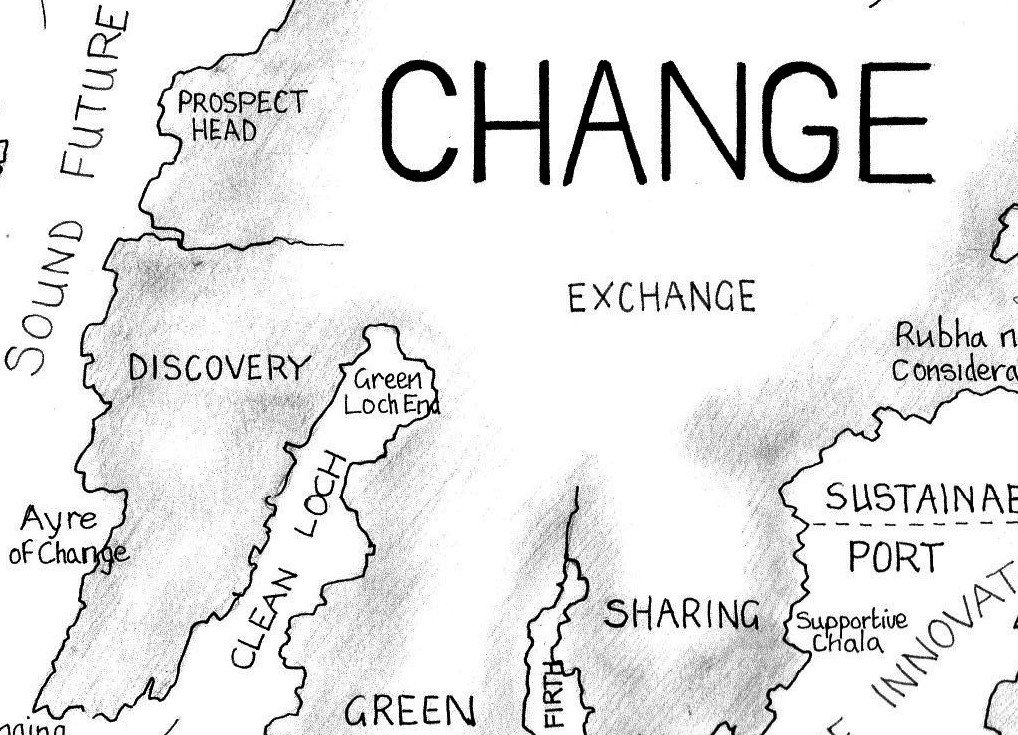
Poster extract (2)If you would like to download an Isle of CHANGE chart in celebration of  World Oceans Day 2017 please click   Isle of CHANGE

Please share the link and use the image to make a difference with thanks to Creative Scotland

DBfUOVRXsAIi2Jt.jpg large


Share this:

  • Email a link to a friend (Opens in new window) Email
  • Share on X (Opens in new window) X
  • Share on Facebook (Opens in new window) Facebook
  • Share on LinkedIn (Opens in new window) LinkedIn
  • Share on Pinterest (Opens in new window) Pinterest
  • Print (Opens in new window) Print
Like Loading...
Leave a Comment
‘Challenging installation’
Posted by jcb990 on May 15, 2017 in Uncategorized

‘Challenging installation’

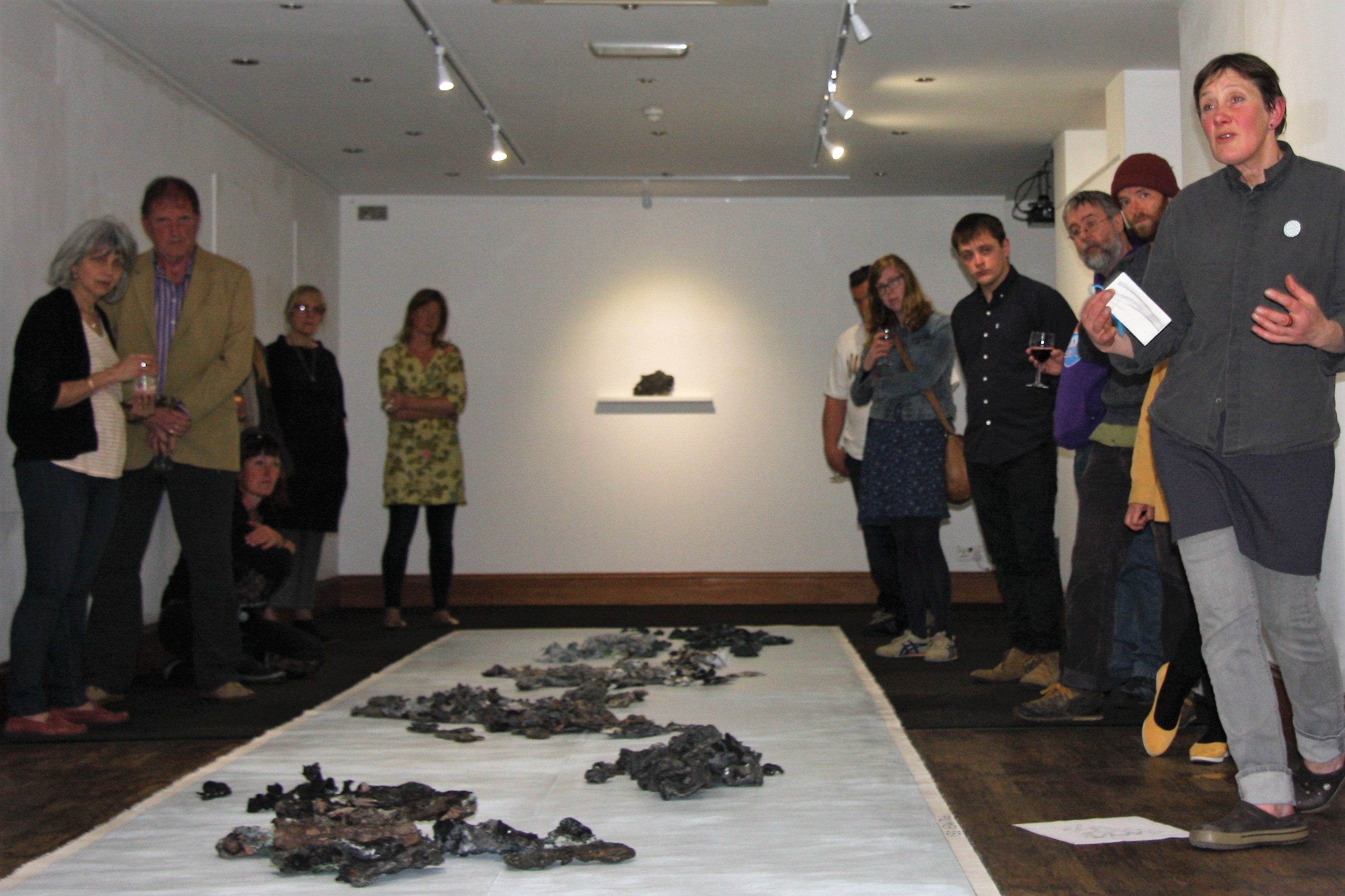
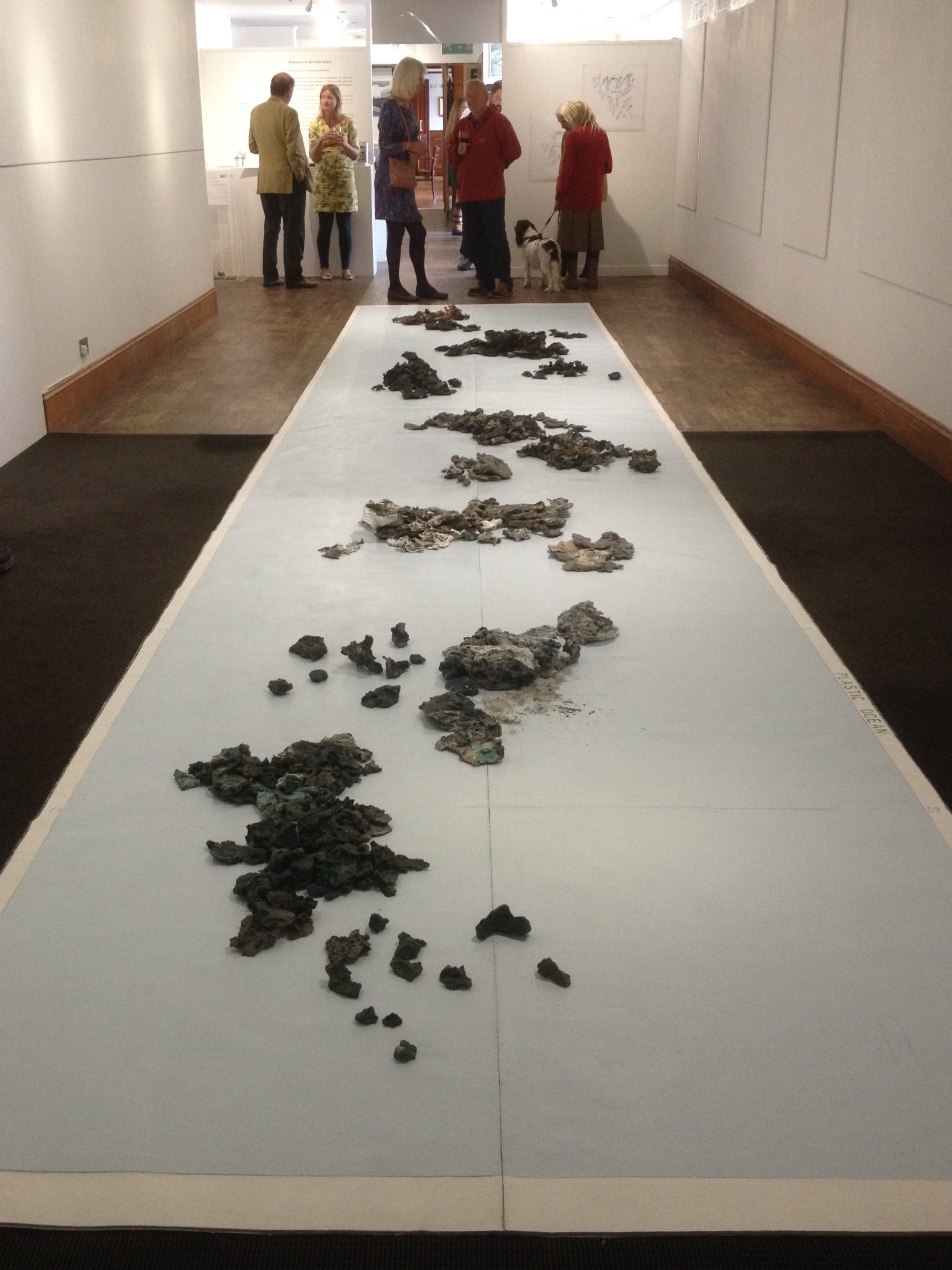
Very happy to have achieved the installation of NEO Terra: my multi-media interactive exhibition at An Talla Solais’s  gallery in Ullapool. The preview  was well attended helped by a flurry of invitation Tweets and re tweets, plus the BBC coverage . Many thanks to all.

Preview Julia's introduction to NEO Terra

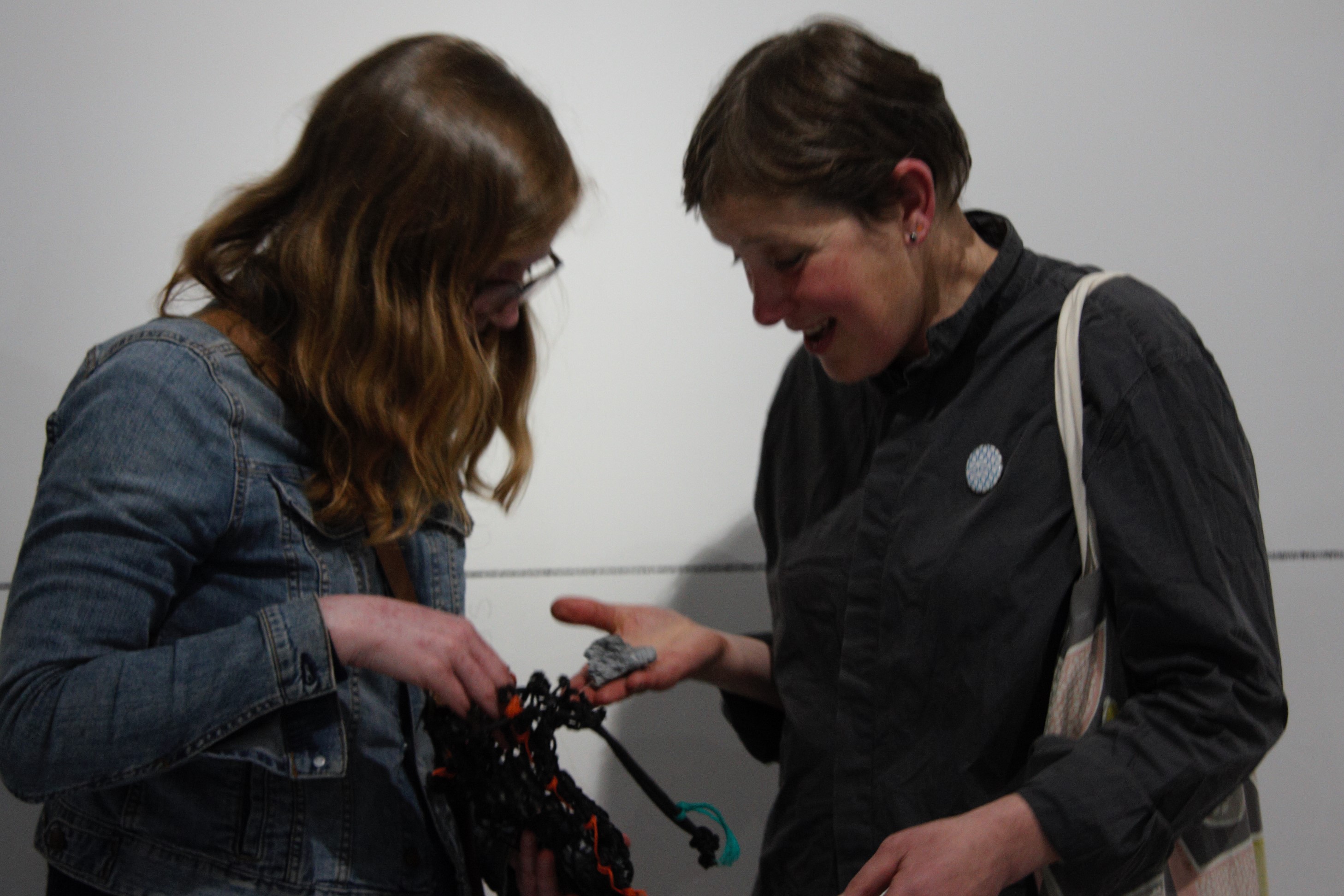
explaining Plastiglomerate. (3)  MAP installation (2)  audience member bringing sample to ident

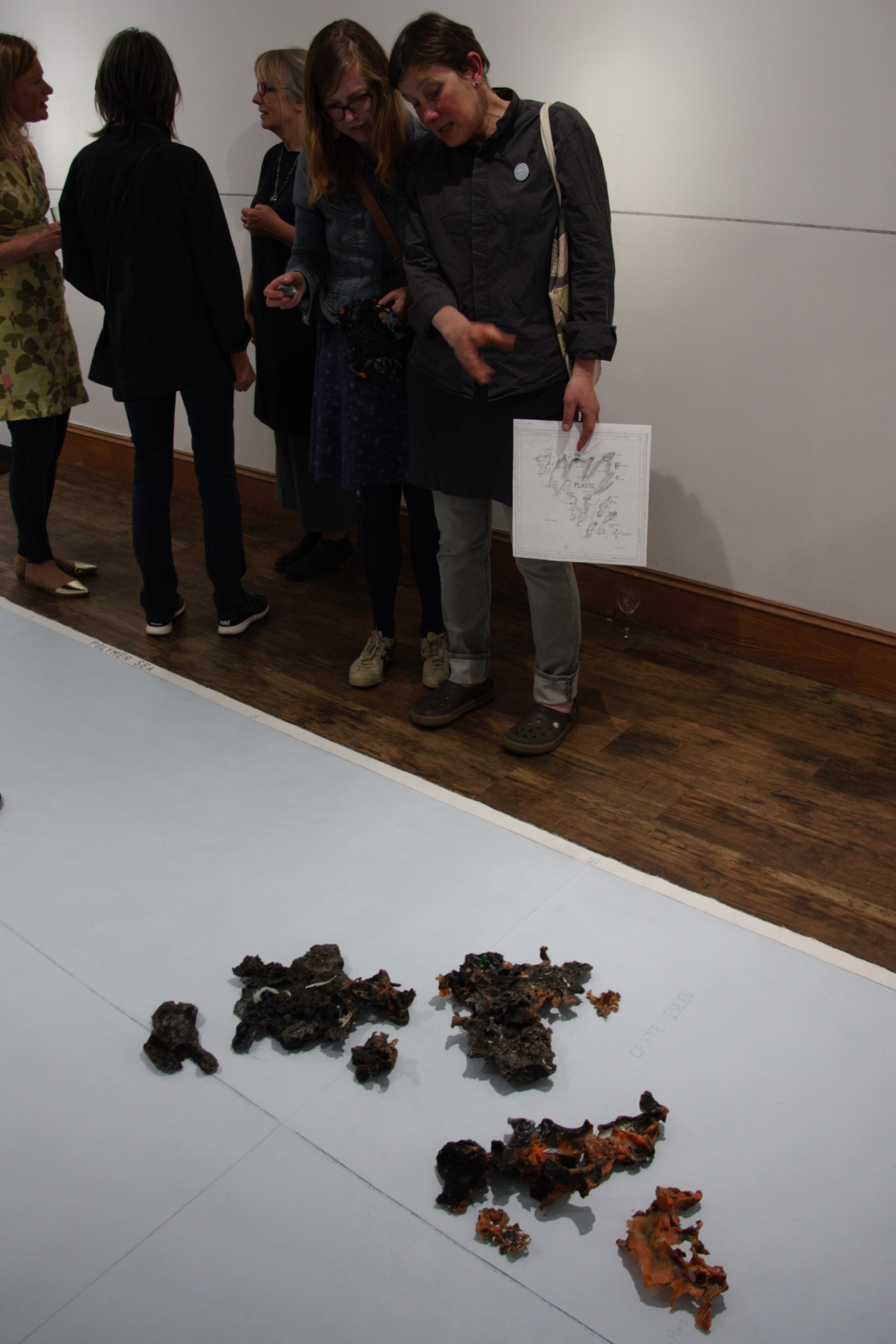
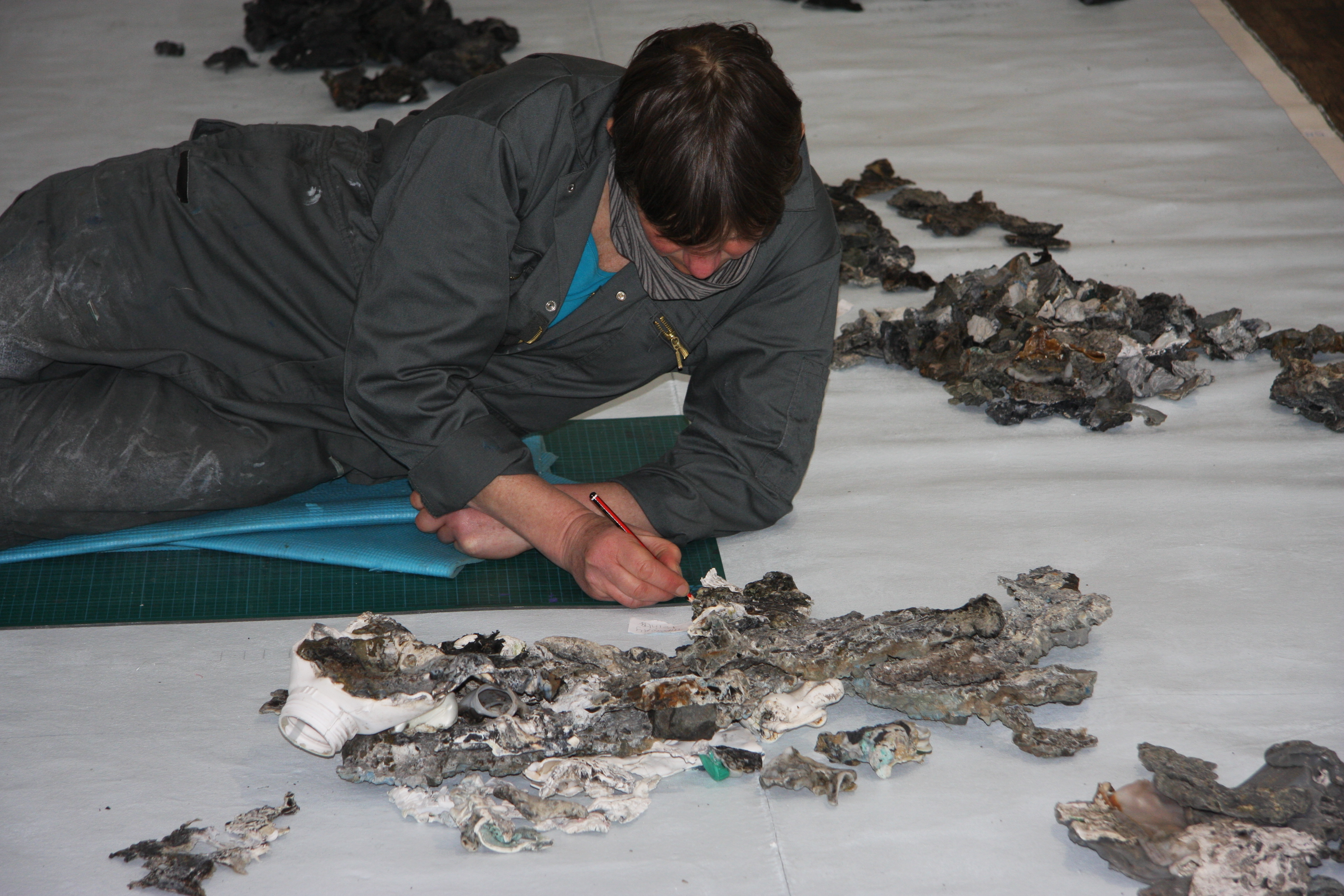
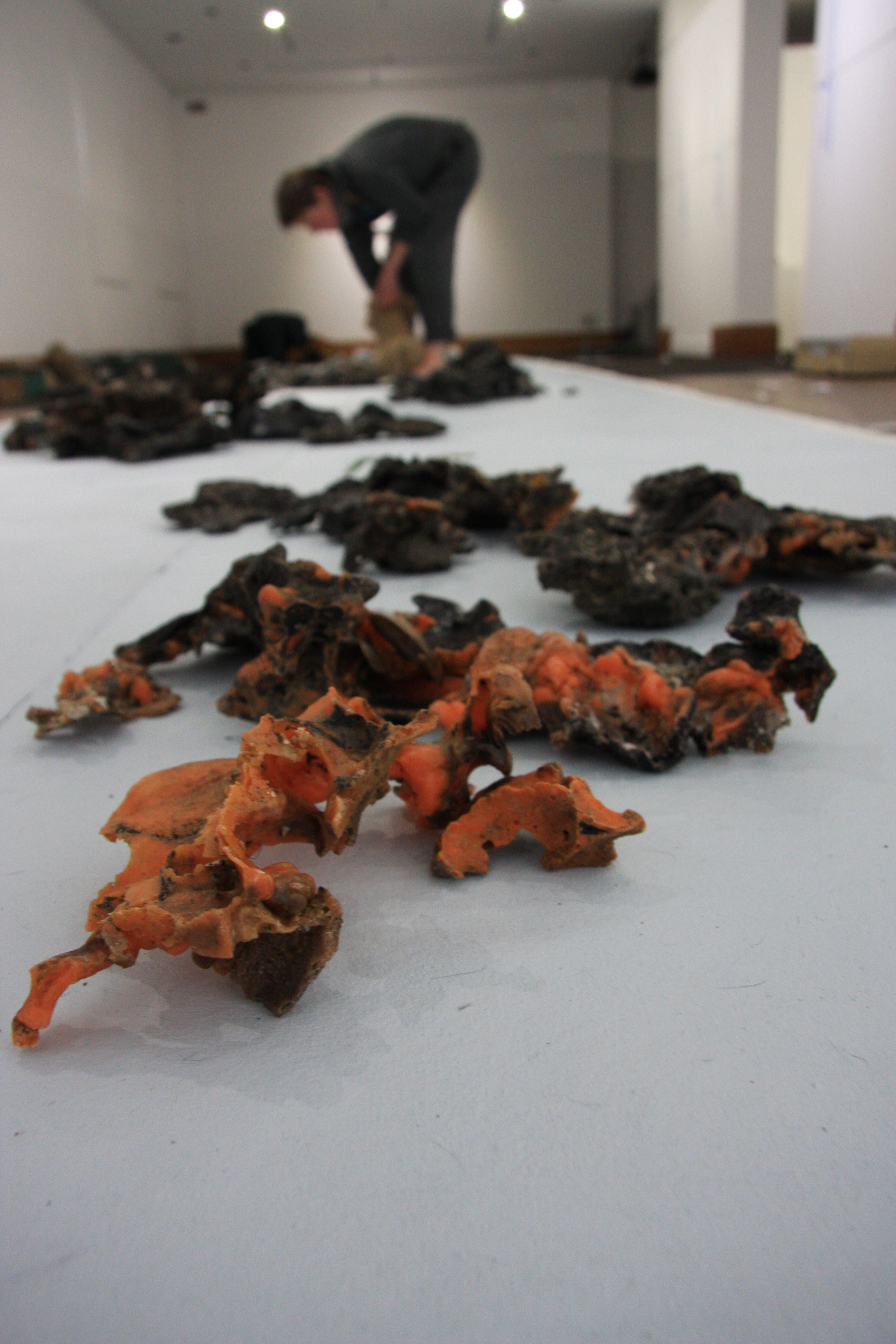
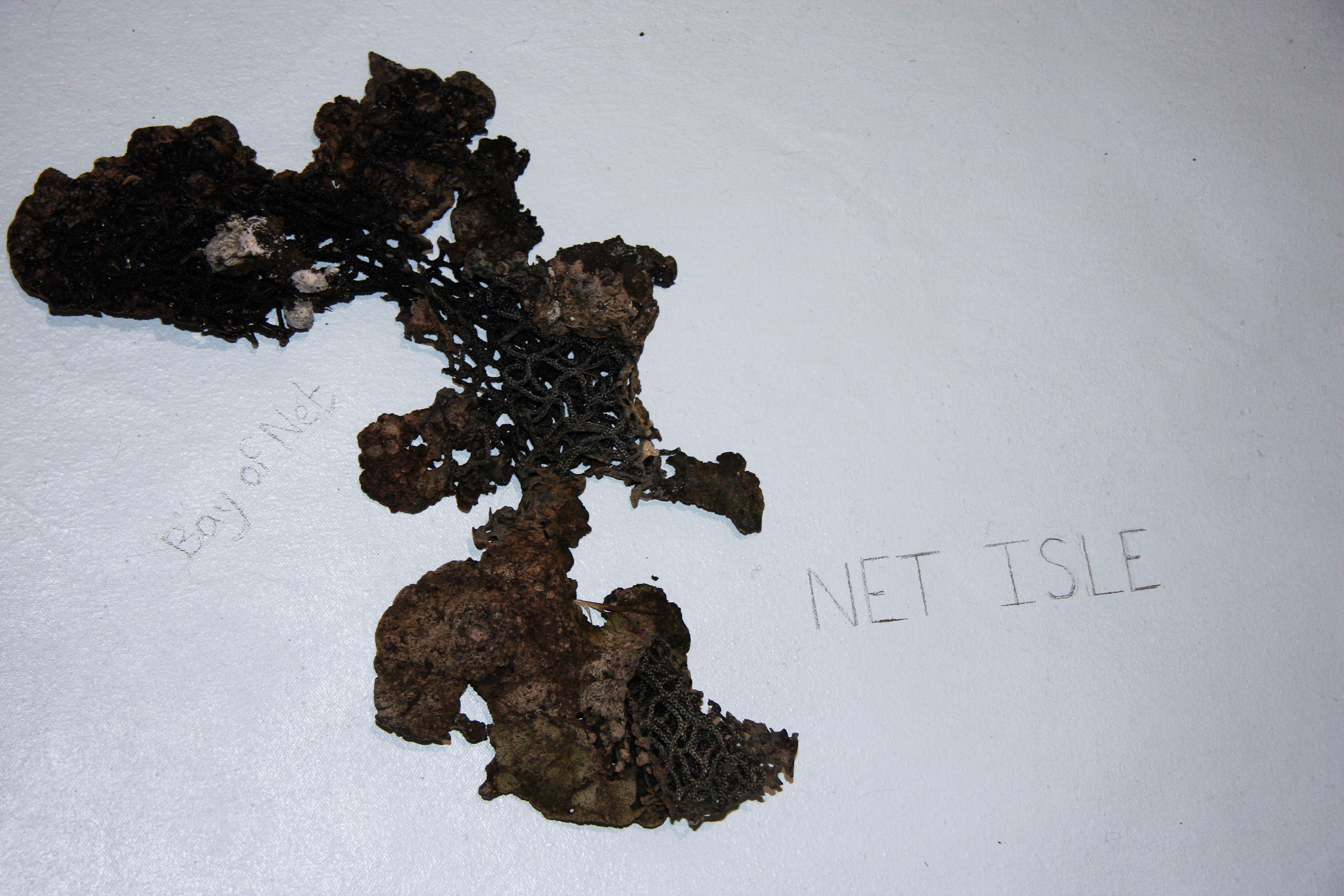
All exhibitions are challenging to install, this one included, the ‘minimal look’ of the overall exhibition belies the amount of focused and time consuming work required to set up the 10 x 2 m canvas, assemble 12 islands from over a thousand of pieces of melted plastic,  video animation, 4 sculptures, 3 large wall drawings, 2 printed charts, Plastiglomerate cross section and the all important interactive lab space comprising: Plastiglomerate sample point , magnification and monitor station , lightbox installation, 60 glass vials containing sand samples. ready for examination. ,

Julia installing islands

Installation CRATE ISland in foreground   NET ISLE

The projects ethos of public engagement continued through to the installation process and each day local members of the arts and science community called by to help carry, draw, provide  sustenance and encouragement. So THANK YOU to Alice (from Shetland), John , Ailsa (on loan from Visit Scotland) Sara & Jan from Ceard, Milly, Erin, Rosanne, Caroline, Susan, Eileen, Daniel,  ATS and Creative Scotland.  (team shot to follow)

The first comment I over-heard at the preview assured me that our hard work was worth it, as an audience member stepped into the main gallery facing the long floor installation stretching 10 meters in front of him, promptly turned and said ‘this is a bit challenging’

The show runs every day 10-5pm until Sunday the 18th June at An Talla Solais , Market St, Ullapool.(link)

Connected event Walk into Deep Time as part of the Isle Martin Festival (link)

If you are unable to visit the show  you can view the NEO Terra clip of the exhibition from Shetland by Clicking here

Again thanks to Creative Scotland

CS logo 1 copy

Share this:

  • Email a link to a friend (Opens in new window) Email
  • Share on X (Opens in new window) X
  • Share on Facebook (Opens in new window) Facebook
  • Share on LinkedIn (Opens in new window) LinkedIn
  • Share on Pinterest (Opens in new window) Pinterest
  • Print (Opens in new window) Print
Like Loading...
2 Comments
Follow littoral: sci-art project on WordPress.com

Donate to Project

Recent Posts

  • Building a Maerl Network
  • MAERL: experimenting with performance
  • MAERL
  • Structure & Surface
  • Printmaking

Recent Comments

Lesley Anne Silvera's avatarLesley Anne Silvera on Building a Maerl Network
Helen O'C's avatarHelen O'C on Building a Maerl Network
jcb990's avatarjcb990 on MAERL: experimenting with…
SJ's avatarSJ on MAERL: experimenting with…
jcb990's avatarjcb990 on LOST

Archives

  • November 2025
  • May 2024
  • January 2024
  • October 2023
  • July 2023
  • April 2023
  • February 2023
  • November 2022
  • September 2022
  • July 2022
  • May 2022
  • April 2022
  • February 2022
  • November 2021
  • April 2021
  • January 2021
  • September 2020
  • May 2020
  • February 2020
  • January 2020
  • December 2019
  • October 2019
  • September 2019
  • August 2019
  • July 2019
  • June 2019
  • May 2019
  • April 2019
  • March 2019
  • January 2019
  • December 2018
  • September 2018
  • July 2018
  • June 2018
  • May 2018
  • March 2018
  • February 2018
  • January 2018
  • December 2017
  • November 2017
  • September 2017
  • June 2017
  • May 2017
  • April 2017
  • February 2017
  • January 2017
  • December 2016
  • November 2016
  • October 2016
  • September 2016
  • August 2016
  • June 2016
  • May 2016
  • April 2016
  • February 2016
  • November 2015
  • October 2015
  • September 2015
  • August 2015
  • July 2015
  • June 2015
  • May 2015
  • April 2015
  • March 2015
  • February 2015
  • January 2015
  • November 2014
  • October 2014
  • September 2014
  • August 2014
  • July 2014
  • June 2014
  • May 2014
  • April 2014
  • March 2014
  • February 2014
  • January 2014
  • December 2013
  • November 2013
  • October 2013
  • September 2013

Categories

  • #LitterCUBES
  • climate action
  • exhibition
  • Firth of Forth shoreline
  • materials
  • Public Engagement
  • seaweed
  • Uncategorized

Meta

  • Create account
  • Log in
  • Entries feed
  • Comments feed
  • WordPress.com

Blog at WordPress.com.
  • Subscribe Subscribed
    • littoral: sci-art project
    • Join 72 other subscribers
    • Already have a WordPress.com account? Log in now.
    • littoral: sci-art project
    • Subscribe Subscribed
    • Sign up
    • Log in
    • Report this content
    • View site in Reader
    • Manage subscriptions
    • Collapse this bar
 

Loading Comments...
 

    %d